


You step out of the trees into a patch of sunshine, and the grass is full of little yellow flowers. There are dozens of them, bobbing around your boots while a bee works its way from one bloom to the next. The breeze moves through the trees behind you. You have nowhere you need to be for a few minutes, so you crouch down and take a look.
Back in the neighborhood, somebody is probably drafting a strongly worded email about these same flowers. There will be photographs. There may be a clipboard. An emergency meeting of the landscaping committee cannot be ruled out. Out here, though, it is difficult to understand what all the fuss is about. They are bright, cheerful little things, and the bee seems perfectly satisfied with the situation.
Dandelions get pulled, sprayed, dug up, and sworn at. Meanwhile, a child can pick a handful, deliver them in a slightly sweaty fist, and make somebody’s afternoon. Before you reach for the weeding tool, you might want to meet the plant. Dandelion leaves, buds, flowers, and roots are edible, and learning what to do with each part can turn that patch of yellow into several very different things to eat and drink.
Take a closer look at your lunch
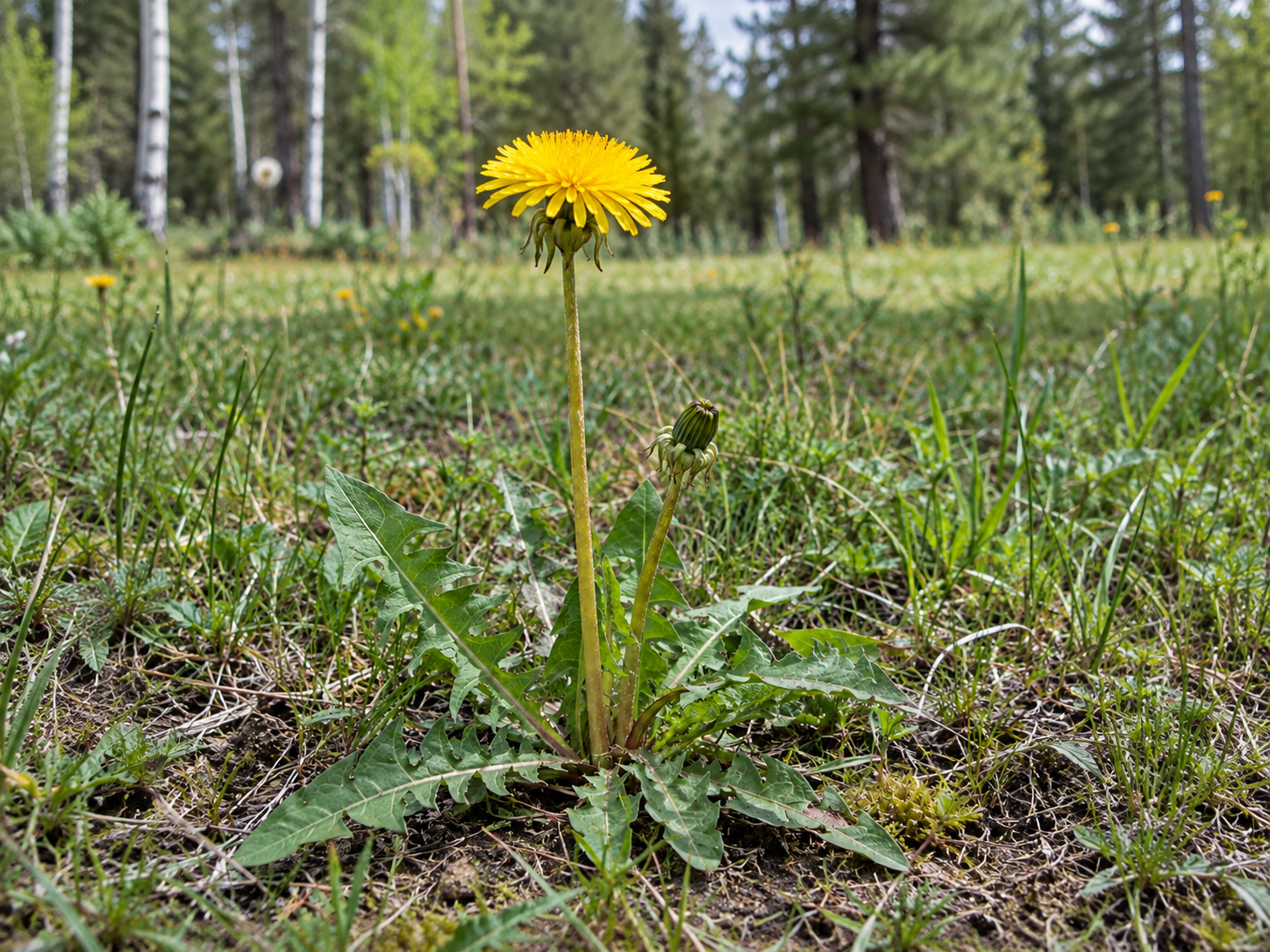
Follow one yellow flower down to the ground. Common dandelion, Taraxacum officinale, carries each flower head on a hollow, leafless, unbranched stalk. Each stalk holds one head, although a single plant can send up several separate stalks. Down at ground level, the leaves spread outward in a rosette, with a substantial taproot underneath. A broken stalk releases milky white sap. Just beneath the yellow head, look for the green bracts, the small leaflike structures that surround it. The outer bracts of common dandelion typically bend back downward. Look at those features together as you get to know the plant.
The leaf edges often have lobes that point back toward the center of the plant. They can look like a row of teeth, but leaf shape varies. Some leaves are deeply cut, some are shallowly lobed, and some have almost no lobes at all. That variation is one reason a quick glance at a leaf is not enough.
Cat’s ear, sometimes called false dandelion, is one plant that can cause confusion. It commonly has conspicuously hairy leaves and branching flower stalks. Compare those features with the hollow, leafless, unbranched stalk you just followed. A yellow flower or a drop of white sap by itself does not establish an identity.
If the features do not line up, leave the plant uneaten and ask a knowledgeable local instructor to help you work through it. Guided practice, such as TSU’s Edible Wild Plants: Identify, Harvest & Prepare class, can help you learn to compare those features in the field. A regional field guide is useful, especially when you compare the living plant with several photographs and descriptions. You have time to learn this properly. The flowers will still be worth looking at while you do.
Choose the patch before you fill the basket
Once you know the plant, look around it. Choose a gathering spot whose treatment history you know, away from lawn chemicals, road contamination, runoff, and animal waste. A beautifully maintained lawn may have a chemical history that does not belong in your salad. Washing cannot make an unsuitable harvesting site suitable. If your neighbor’s lawn looks like it belongs on the cover of a fertilizer catalog and nobody can remember the last time a weed survived there, maybe don’t make that your salad bar. Go find the ugly patch where nature is still allowed to misbehave.
For greens, look for tender new leaves, especially in the cooler part of the growing season before the plant is heavily flowering. For fritters, choose fresh, open yellow heads. Tight flower buds can go into a cooked dish, too. Take a little from several plants, leaving plenty of leaves and flowers behind. When you only want greens, snip individual leaves and leave the crown and roots in place.
Gather what you will use soon, then inspect it again at home or camp. Remove damaged material and anything that does not belong in the harvest. Rinse the plants under running water and work soil from roots with a clean vegetable brush if needed. Plain water is the right choice for washing produce. Skip the soap and detergent.
Keep perishable greens and flowers refrigerated or in a cooler at 40°F or below until preparation. Flowers are delicate, so rinse them gently and handle them lightly. Before battering, let them drain and pat them dry. It is easier to enjoy the cooking when you have clean ingredients, a clear work surface, and everything within reach.
If you are out in the field, clean them as well as you reasonably can with what you have and get cooking. Pick out the obvious dirt, grass, and little hitchhikers you can see. If one tiny bug somehow survives the inspection and ends up in a fritter, your afternoon is probably not ruined. Chew well. Consider it bonus protein.
A handful of greens and something sizzling
Start with a tender leaf from your positively identified, washed harvest. Dandelion greens have a bitter edge, and that bitterness can grow stronger with age, heat, and dry conditions. Young leaves are usually the better introduction. Think of them as a green with a personality. An enormous bowl of mature leaves may introduce you to more personality than you wanted. If you ignored me and picked the giant old leaves anyway, don’t panic. You didn’t ruin dinner. You just selected dandelion on hard mode. Boil them, drain them, season them well, and stop pretending everything wild has to taste like lettuce.
For a salad, tear a few young leaves into a bowl of familiar greens and dress it with olive oil, lemon, and a little salt. Start with a modest amount so you can decide how much bitterness you enjoy. Older leaves are often more appealing cooked. Boiling them before finishing them in a pan gives you another way to work with the flavor and texture.
For a small pan of greens, try these simple proportions:
- 2 lightly packed cups washed dandelion leaves
- 1 tablespoon butter or olive oil
- 1 small garlic clove, finely chopped
- Salt and lemon juice to taste
Bring a pot of water to a boil, add the leaves, and cook for about 5 to 10 minutes, checking for tenderness. Drain them well. The leaves should be easy to chew, and you can chop them after draining if they are long. Cooking time will vary with the leaves you gathered.
Set a pan over moderate heat, melt the butter or warm the oil, and add the garlic. Once it smells fragrant, stir in the drained greens and toss for another minute or two, until they are hot and coated. Keep the garlic from turning dark and bitter. Finish with salt and a squeeze of lemon, then taste and adjust the seasoning.
At home, use your pot and skillet. At camp, use whatever cookware you dragged out there. A little pot, a beat-up frying pan, or an old cast-iron skillet all work just fine. You are boiling weeds and throwing them in a pan with some garlic, not applying for a Michelin star. I have never once had a dandelion complain that the pan was not nonstick.
Now there is garlic in the air, a little steam drifting past your face, and something on your plate that you were stepping over an hour ago. Spoon the greens beside your meal, stir some into scrambled eggs, or add them to a pot of beans or soup. The same preparation gives you several ways to use the harvest.
Those tight flower buds are edible as well. Choose unopened buds that have not yet flowered, rinse them, and add a small handful to the boiling water with the leaves. Drain and finish them together in the pan. Try a small first serving of any unfamiliar food after you have established its identity. Tasting is how you learn whether you enjoy an ingredient, and it never replaces identifying the plant.
Dandelion fritters and the HOA peace offering
The flowers are where this becomes especially entertaining. Imagine walking back with a bowl of bright yellow heads while somebody across the fence is trying to decide whether they count as a landscaping violation. Give it a few minutes. Soon the conversation can take place over a plate of warm fritters.
For this version, keep the flower heads intact, with the green base holding each one together. Leave about a quarter inch of stalk if you want a small handle. Removing the yellow florets is useful for other dishes, but pulling a head apart now makes it difficult to dip as a whole flower. Inspect, rinse, drain, and dry the heads before you start.
The number of fritters depends on the size of your flowers and how much batter clings to each one.
Now, if you are the kind of person who measures everything perfectly, the recipe is below. If you are standing next to a campfire holding a handful of flowers and a bowl of batter, you are also going to be fine. The goal is to get batter on the flower and the flower into hot oil without setting yourself or the forest on fire.
- A bowl of fresh, clean, dry dandelion flower heads
- 1 egg
- 1 cup all-purpose flour
- Up to 1 cup water, or milk if you have it
- A pinch of salt, if desired
- Vegetable oil, enough for about ½ inch in the pan
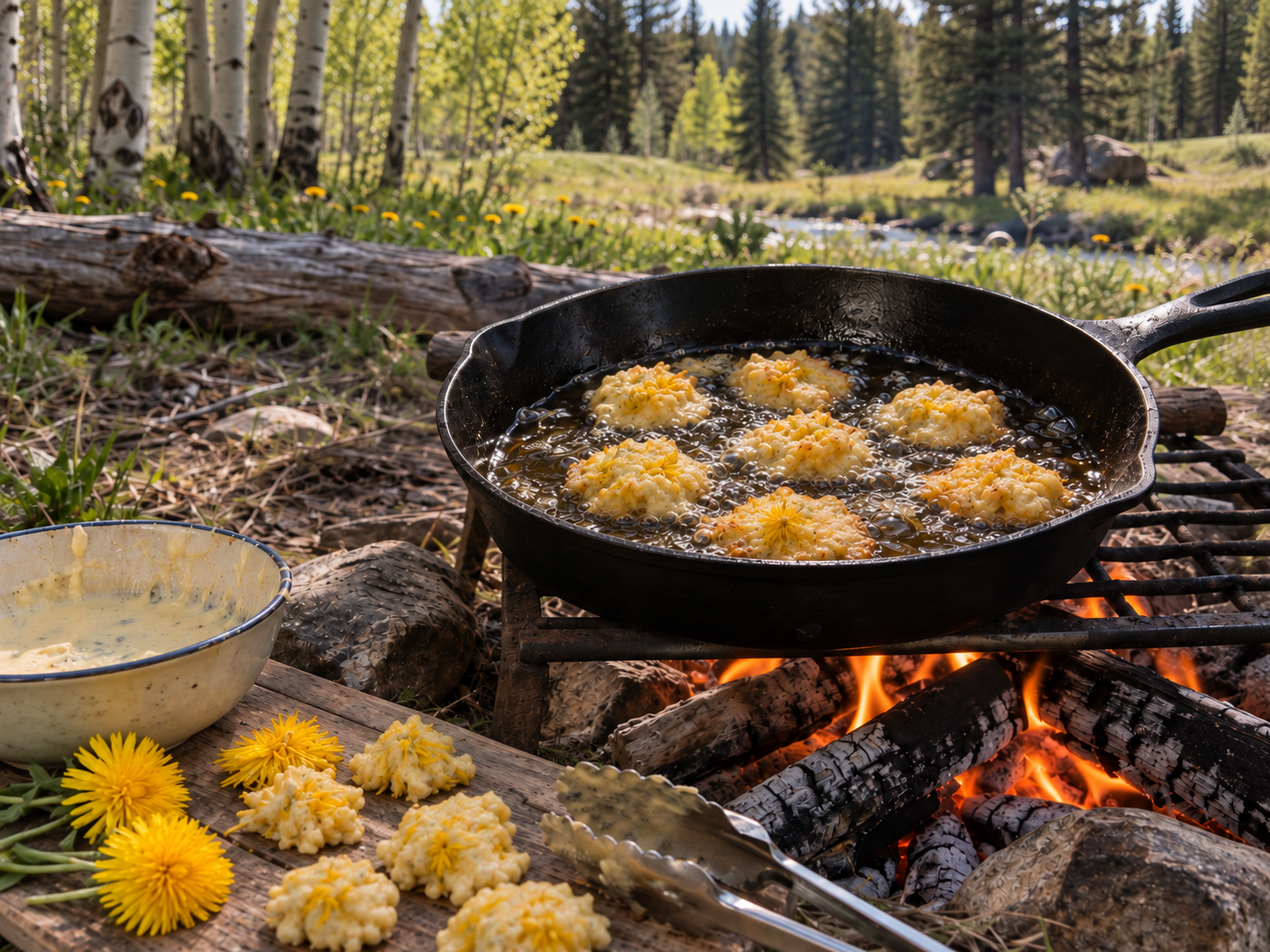
Whisk the egg, flour, and ½ cup water or milk into a smooth batter, adding the salt if you are using it. Add more liquid gradually, only until the batter is thick enough to cling to a flower without burying it in a heavy lump. You may not need the full cup. If needed, adjust with a little water or milk to loosen it or a little flour to thicken it. Set a sturdy skillet over medium heat and add the oil. A kitchen stove or stable camp stove makes the heat easier to control.
You do not need laboratory precision here. If the batter slides completely off the flower, add flour. If the flower comes out looking like you buried it in drywall mud, add a little water or milk. Somewhere between those two disasters is a delicious little snack.
If you cook beside a campfire, use a secure grate over steady cooking coals and keep flames away from the oil. Have tongs or your favorite stick and a plate lined with paper towels ready before the first flower goes in. Lower a small test fritter into the pan. It should sizzle steadily. If it darkens before the batter cooks through, reduce the heat or pull your pan off the fire.
A thermometer is great if you have one. If you are cooking over a campfire and forgot to pack your mobile culinary laboratory, drop a little batter in. If it immediately starts sizzling, you are in business. If nothing happens, wait. If it bursts into flames, you have gone too far.
Dip each head into the batter, let the excess drip away, and use tongs or bushcrafted item of choise to lower it flower side down into the oil. Work in small batches with room to turn them. Once the underside is golden, flip it and cook the other side. Both sides should be crisp and golden, with the batter cooked through. Lift the fritters onto the prepared plate to drain, and let them cool enough to eat.
Try them savory with a little salt or honey mustard. For a sweeter plate, add a light drizzle of honey or maple syrup. You will get some of the flower’s flavor and a little bitterness beneath that crisp coating. The plant that apparently threatened neighborhood property values has become a snack.
This is when you invite the HOA representative over. Tell them what you made, set the plate down, and let them try one while it is still warm. Maybe after a few bites they will relax their grip on the clipboard. They might even notice that the yard is pretty. You’re probably still getting a ridiculous citation but at least you got to ingone some fritters and get to imagine getting through an entire neighborhood meeting with everybody fed and nobody angry at a flower.
A little sunshine in your salad or cup
Save a few flowers for a simpler preparation. Hold a clean head by its green base and pull out the yellow florets. The green parts contribute bitterness, so removing them gives you a milder ingredient to sprinkle through a salad. You can also fold a small amount of those yellow florets into pancake batter. A few bright specks on the plate make breakfast feel like you remembered to enjoy yourself.
For flower tea, put the yellow florets from five fresh, washed heads into a heatproof cup or tea infuser. Pour over 1 cup of boiling water, steep for 5 to 8 minutes, and strain. Expect a light infusion, and sweeten it if you like. Flower size and your own taste will affect how strong you want the next cup.
Leaves make a different cup. Try a small handful of washed, chopped fresh leaves, or 1 tablespoon of dried leaves, with 1 cup of boiling water. Let them steep for about 10 minutes, then strain. The flavor is greener and can be more bitter than the flower infusion. These are starting points for a beverage, so adjust for taste rather than treating the measurements as a medicinal dose.
Dandelion flowers also turn up in jelly and wine. Jelly usually begins with a flower infusion, which becomes the liquid in a recipe with the required acid, sugar, and pectin. If you want jars that can sit on a pantry shelf, follow a tested dandelion jelly recipe with its exact ingredients and processing directions. Do not substitute dandelions into a recipe tested for a different flower. For this afternoon, fritters and a warm cup already make a fine reason to sit outside a little longer.
Digging up your next campfire drink
The roots give you an excuse for another outing. Fall is a useful time to collect roots for roasting, but choose plants you can still identify confidently from their aboveground features. Loosen the soil around the taproot with a digging tool and work it free. If you have ever tried to pull a dandelion out of a lawn, you already know the root has no intention of leaving voluntarily. Pull too hard and it snaps off underground, where it will apparently spend the next week plotting its return. Take your time and work around it with your digging tool. You are gathering an ingredient now, which may improve your opinion of the digging.
At home, scrub away the soil, trim off damaged material, and split thick roots lengthwise before chopping them into small, fairly even pieces. Cutting them while fresh is easier than trying to break down a hard, dried root. You are preparing them for drying first, then a separate roast to develop the flavor.
For oven drying, spread the pieces in a single layer on a baking sheet and use the oven’s warm setting or lowest setting. Alabama Extension’s general guidance for drying herb roots allows roughly 6 to 8 hours, depending on thickness. Begin checking smaller pieces sooner. The useful endpoint is a hard, brittle root that snaps instead of bending, with no soft center. Let the pieces cool fully, then keep them in an airtight container in a cool, dark place. A food dehydrator is another option, using its directions for drying roots.
If you are out in the field, nobody is expecting you to build a dehydrator out of sticks. Clean the roots, cut them small, and work with the heat source you actually have. Just remember that drying and roasting are two different jobs. Drying removes moisture. Roasting develops the flavor. If you rush both steps over a roaring fire, you are probably going to end up with burnt dirt-flavored charcoal. Technically you can put that in hot water, but I would not call it coffee.
Pack some of those dried pieces for your next camp meal. Warm a dry cast iron pan, add the roots, and stir frequently as they deepen to brown and begin to smell toasted. Move the pan away from the heat if they start to scorch. This part rewards attention. The difference between a fragrant roast and a handful of charcoal can become obvious rather quickly.
Let the roasted pieces cool, then crush or grind them into small pieces. Measure 2 tablespoons after crushing, and add them to a small pot with 2 cups of water. Bring them to a boil, reduce the heat, and simmer uncovered for about 20 minutes. Strain into your mug and let it cool enough to drink.
That is the drink often called dandelion coffee. It has a roasted, earthy flavor with some bitterness, and pure dandelion contains no caffeine. Add milk or a little sweetener if that is how you enjoy it. Then pull up a seat beside the fire and wrap your hands around the mug. You dug it, cleaned it, dried it, roasted it, and made something worth slowing down to enjoy.
More Than Just a Weed
Dandelion has been used as food and in traditional herbal practice for a very long time. The greens, flowers, and roots all have practical uses, and like many wild plants, dandelion contains naturally occurring compounds that researchers continue to study. That does not mean every traditional claim has been proven, and it does not mean eating a dandelion is going to magically cure whatever ails you.
What it does mean is that this plant deserves more respect than it usually gets. It is food. It has nutritional value. It has a long history of traditional use. You can cook the greens, fry the flowers, brew the roots, and add another useful plant to the list of things you actually know how to use instead of walking past it because somebody decided to call it a weed.
We are not your doctor, and we are not promising that dandelion will treat or cure any medical condition. People can also be allergic to plants, and concentrated herbal preparations can interact with medications. If you are using dandelion as food, start with a small amount the first time. If you are planning to use large amounts medicinally or you take prescription medications, that is when it makes sense to talk with someone who actually understands both your health and herbal products.
For the rest of us, there is nothing wrong with appreciating a useful wild plant for what it is. Sometimes food can just be food, and sometimes the weed in your yard is a lot more interesting than the lettuce in your refrigerator.
Leave time for the part you cannot put in a frying pan
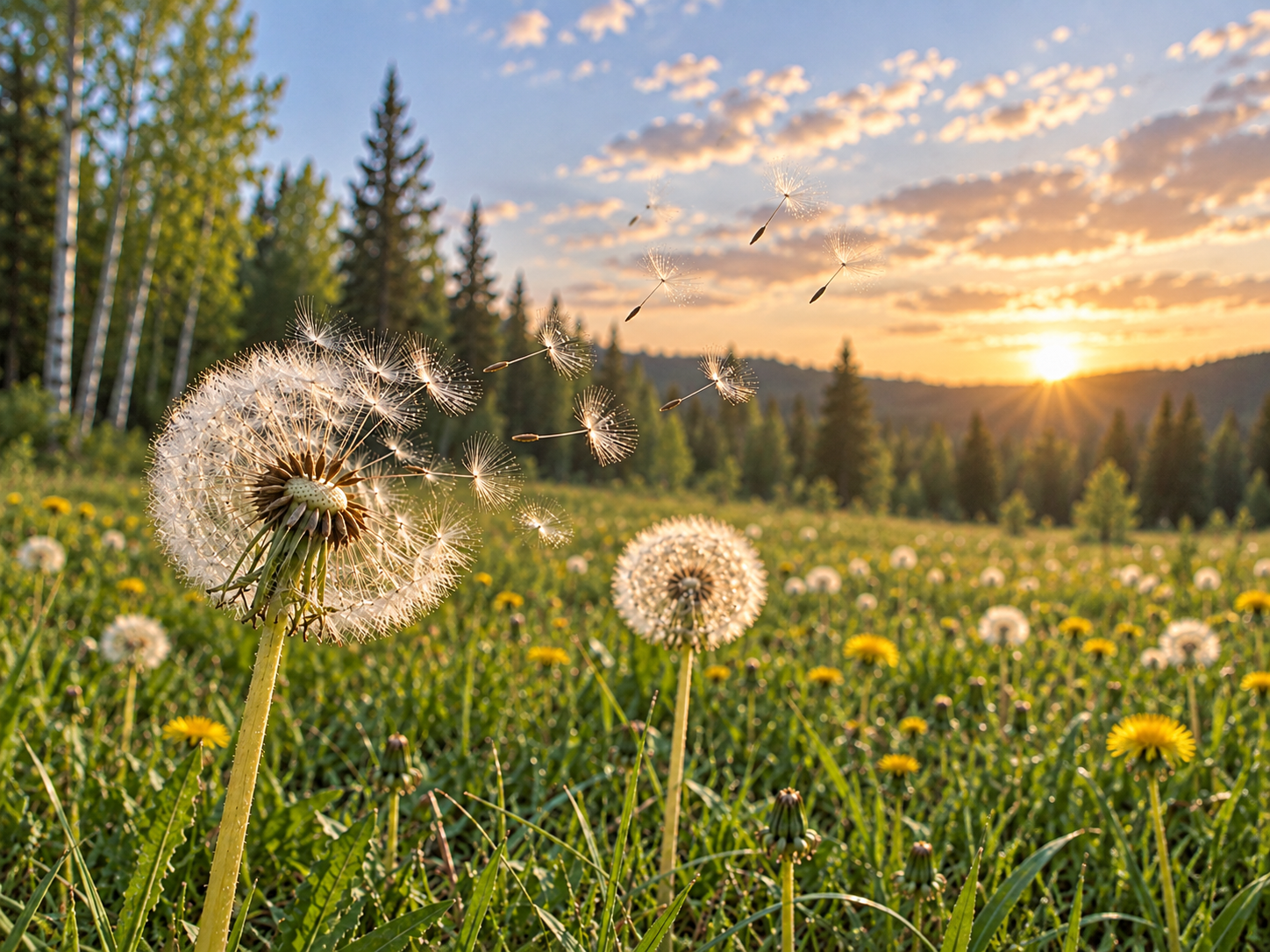
Later, back on your lawn, you find one of the dandelions has turned into a white puffball. Pick it up and hold it where the light catches the seeds. You have probably done this before. You probably did it long before you cared about landscaping, property lines, or whether spending an afternoon outside was productive.
Give it a breath and watch the tiny parachutes lift away. Follow one as it drifts, catches a little breeze, and disappears into the grass. You can make a wish if you want. You can also stand there and smile for no particular reason. If the afternoon includes a little frolicking, so be it. We spend enough time trying to look like responsible adults.
A dandelion can be an ingredient, a little bouquet, a stop along a bee’s route, or a reason to crouch down and look closely at something ordinary. You do not have to harvest every flower to get something out of the afternoon. Leave a few yellow heads bobbing in the grass and let them brighten the place.
And if someone from the HOA comes over to discuss the situation, put another batch of fritters in the pan. They may still want to talk about your lawn. At least you can have the conversation over something good to eat.
For another plant to get acquainted with, continue the series with Eat the Weeds: Great Mullein.
About the Author
Jason Marsteiner is the founder and lead instructor at The Survival University near Cripple Creek, Colorado. He teaches wilderness survival through practical field instruction, with an emphasis on preparation, judgment, and adapting when conditions change.
