


People use survival and bushcraft interchangeably because, from a few feet away, they can look like the same activity. Somebody is working with a knife, somebody is getting a fire going, and somebody else is tying cordage around a pile of sticks they intend to sleep under. Both involve shelter, water, navigation, plants, wood, campcraft, and solving problems outdoors. Watch only the hands and tools, and you may have no idea which one you are looking at. You have to know why the person is doing the work.
When I explain survival vs bushcraft, I start with the situation. Survival is about protecting yourself from an immediate threat and getting through or out of a problem with the resources available. Bushcraft gives you room to explore those same skills, understand the materials, and make outdoor living more comfortable and capable. One person needs that tarp standing before the weather reaches them. Another has the afternoon to experiment with the pitch, improve the anchors, and carve a set of stakes worth keeping. Both are learning or applying useful skills, but the clock is asking something different of each person.
I do not see these as competing camps. Survival and bushcraft walk hand in hand, and spending time with both gives you more ways to respond when your original plan quits working. The danger is confusing a skill you enjoy practicing with the task the situation actually requires. Being able to build something impressive is useful. Knowing whether you should be building it right now takes a different kind of judgment.
Survival Starts When the Original Plan Fails
A survival situation usually begins with a change nobody wanted. A wrong turn puts you somewhere you cannot identify. An injury slows the group until the daylight you expected to hike out in is gone. A tent fails, a sleeping bag gets soaked, or a vehicle breaks down beyond easy help. Sometimes there is one obvious event. Other times, several small decisions work together until you are standing in the consequences of all of them.
Now there is some kind of clock running in the background. The temperature is dropping, weather is moving in, water is limited, or somebody is getting colder while you decide what to do. That does not mean you should panic or rush around grabbing things. It means the order of your work has become important. A few calm minutes spent recognizing the actual threat can save an hour of energetic work on the wrong problem.
Under those conditions, I want a solution that performs the necessary job. A shelter has to reduce exposure. A fire has to serve a practical purpose. A tarp stake has to hold against the pull of the line in the ground I actually have. None of those things becomes more successful because it looks good in a photograph. The standard is whether the work improves our situation enough to justify the time, energy, and risk it costs.
Survival is also bigger than building a camp. If I can safely reach help, communicate my location, or resolve the problem with equipment already in my pack, that may be the best use of my skills. Someone who calls for assistance early and gets protected from the weather has not failed because they never built a debris hut. Getting home is a perfectly acceptable ending to a survival problem.
Bushcraft Gives You Time to Understand the Work
Bushcraft usually begins because you deliberately chose to be there. You want to work with natural materials, try a different shelter, learn a fire method, or build something useful with your hands. You can stop, examine what went wrong, and start again while your ordinary equipment remains available. That freedom lets you ask questions an emergency may not give you time to explore. Could this be stronger? Could it use less cordage? Could I make it more comfortable or useful enough to bring on the next trip?
That is where the depth develops. Wood selection becomes more than finding something that vaguely resembles a pole. Knife work becomes controlled shaping instead of hacking until something fits. You learn which knots release after taking a load, how different shelter pitches behave, and how to turn a cooking fire into useful coals. You begin understanding the landscape as a collection of materials with different properties, seasons, and limits. The finished object is part of the reward, but so is everything you had to notice to make it.
At The Survival University, I teach these skills as parts of the same outdoor toolbox. Bushcraft is not limited to primitive equipment, elaborate camps, or carving things from wood. It is learning how materials behave and how to use them well, whether you are improving a comfortable camp or solving an unexpected problem. Our 5 Day Outdoor Survival Basics 101 course brings shelter, fire, water, and other practical skills together so students can start applying that knowledge. My examples of polished tools and camp furniture describe opportunities to learn, not a required shopping list or a test of who belongs in the woods.
A Baton and a Tarp Stake Explain the Difference
Take something as ordinary as a wooden baton. If I need a piece of wood for pounding during a survival situation, I am looking for a solid chunk roughly eighteen inches to two feet long, around handheld thickness or larger, with enough weight for the task and a grip I can control. The dimensions are a starting point, not a specification the woods are obligated to fill. I check for rot, cracks, weak spots, and anything likely to break or hurt my hand. If it is suitable and the task actually needs doing, I use it.
That baton might be crooked, covered in bark, and ugly enough that nobody would pay a dollar for it at a yard sale. It can still do its job. I do not need to remove every bump before driving a stake, and I do not need to manufacture a handle if the piece already fits my hand. If I am using it to help split wood, the cutting tool and material still have to be suitable for that work. Calling something survival does not make breaking my only knife a sensible plan.
Give a bushcrafter time with the same problem and the project may look different. They select a larger piece, cut it to a preferred length, strip the bark, shape the grip, round the edges, and smooth the spots that would rub their hand. Half an hour later, they have produced the Cadillac of sticks. It is still going to hit another piece of wood, but now it is balanced, comfortable, and made to be used repeatedly. There is nothing foolish about that when making the tool is part of the reason for being there.
That extra work teaches grain direction, material selection, knife control, and how the shape of a handle changes the way a tool behaves. It also teaches what does not work. Cut into the wrong section and the grain may split somewhere you did not intend. Leave the grip awkward and your hand tells you about it. Those lessons help you recognize a usable crude baton faster when you eventually need one, because you understand what makes the refined version function.
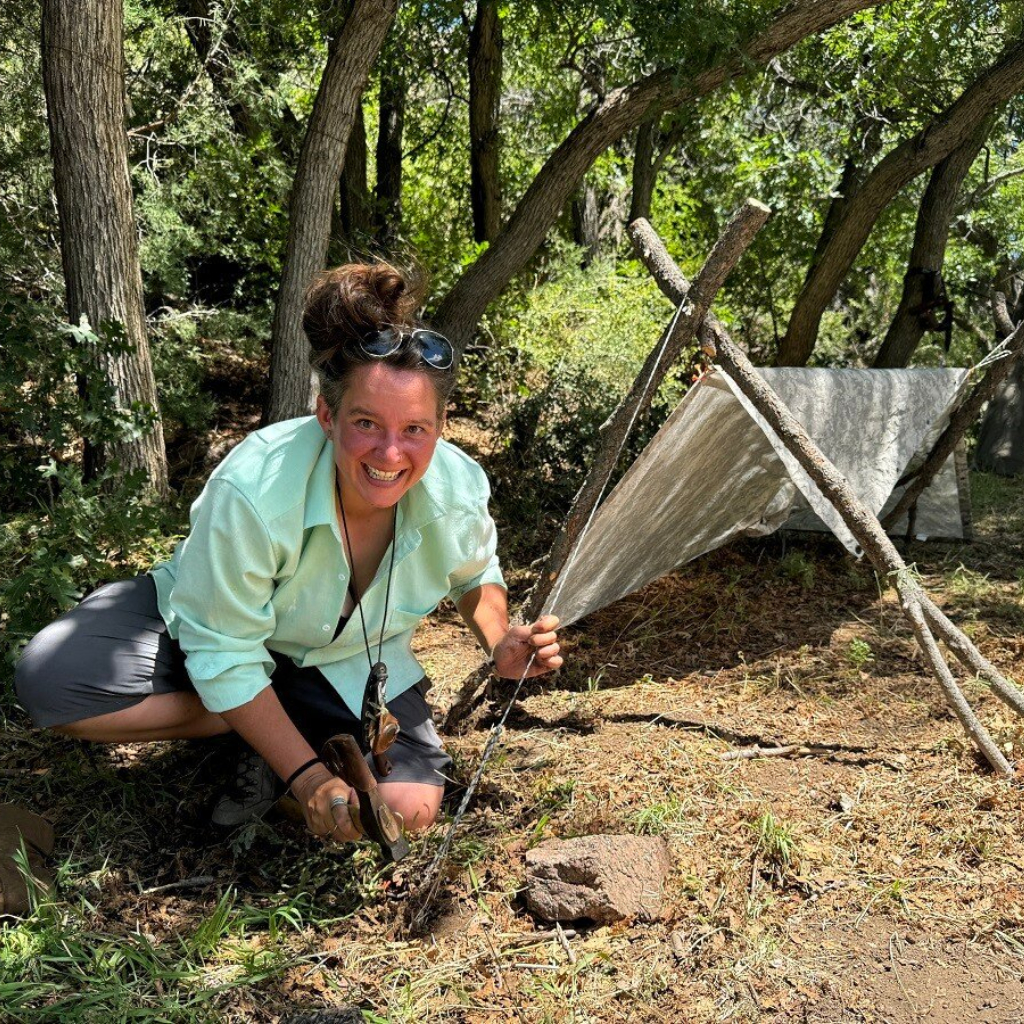
A tarp stake makes the same argument with less wood. If weather is closing in, I may find a sturdy stick, break it to length, drive it into suitable ground, and secure the line. If it needs a quick point or a small notch to work, I make one. Then I test whether it actually holds. A stick that pulls out with the first gust is not a clever shortcut. It is unfinished work, and in loose or rocky ground I may need a different anchor altogether.
With time to practice, I can carve a clean wedge, cut a ninety degree notch that retains the line, and chamfer the striking end to reduce splitting. I can smooth the rough areas and make several matching stakes because apparently this campsite now has standards. Assuming sound material and a sensible design, those are better finished stakes. But if I am cold, wet, and losing daylight, the rough stick that already holds my tarp securely may be the better decision. Bushcraft improves the object. Survival asks whether improving that object is the best thing I can do for the situation.
The Log Is Already a Chair, Unless You Want a Project
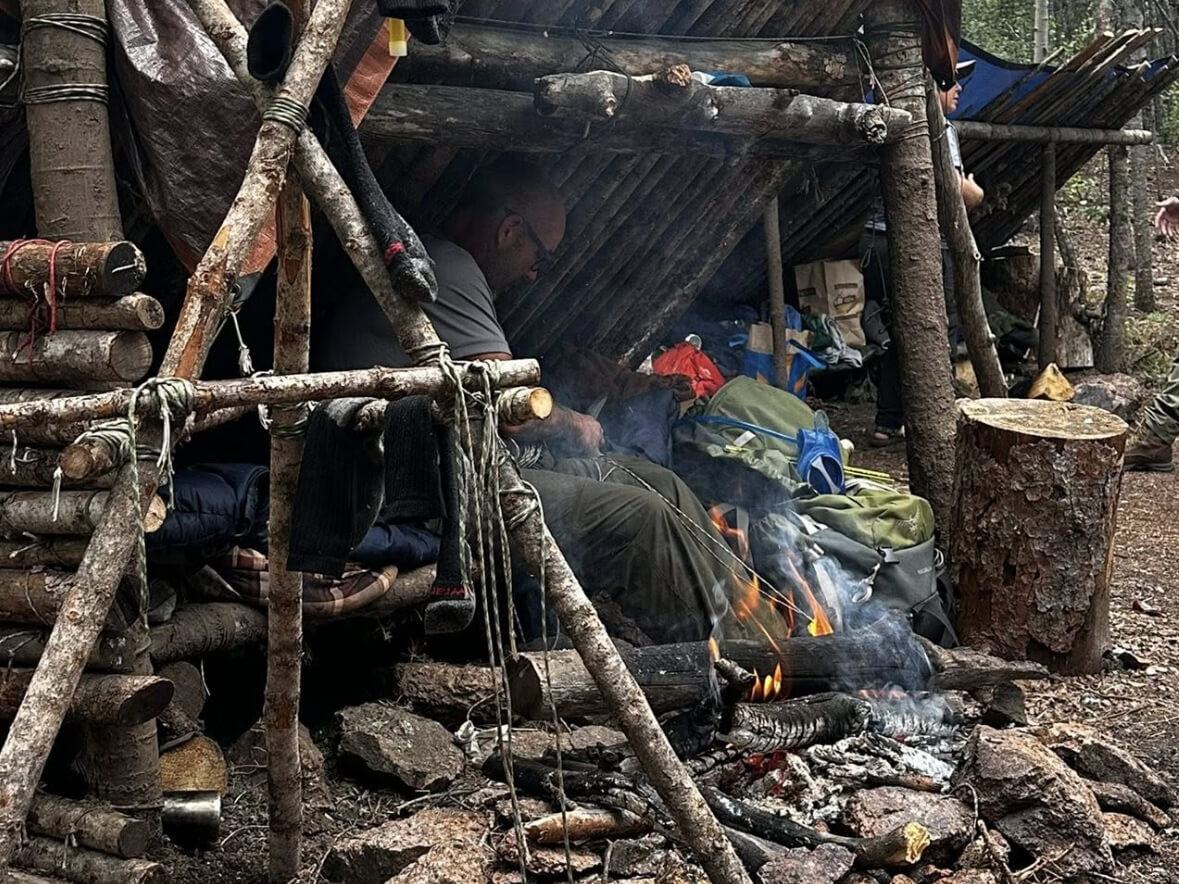
Imagine finding a substantial fallen log near a place where you might shelter. My first survival question is what it already does for me. It may provide a place to sit, a windbreak, or part of the support for a debris shelter or lean-to. If it is stable and the site is suitable, using it may save work I would otherwise spend cutting, carrying, and assembling material. I still look at the tree, the slope, overhead hazards, and the way water moves through that location. A convenient log does not turn a bad campsite into a good one.
A bushcrafter may sit on that same log while building a chair. Once the chair is finished, a table starts sounding reasonable. Then comes a pot hanger, a tripod, a drying rack, somewhere to hang the tools, and a better arrangement for the cooking gear. Give that person enough cordage and daylight and the woods begin looking like a furnished apartment. I am teasing the enthusiasm because it is easy to recognize, not because the work lacks value. There are worse ways to spend an afternoon than learning how to make yourself comfortable outdoors.
Every piece of that camp contains a lesson. A chair asks whether your lashings resist movement once a person sits down. A pot hanger teaches balance and adjustment. A rack shows which poles bend, which split, and which joints loosen under repeated use. A raised bed makes you think about support, load, and insulation together. When you can test those things close to backup equipment, failure becomes something you can study and correct instead of a problem you must endure all night.
Responsible practice includes choosing somewhere that allows the work and limiting what you take from the landscape. Having the ability to build a woodland kitchen does not mean every campsite needs one, or that every standing tree is available for materials. You can learn a tremendous amount with reusable poles, collected material where permitted, and projects you dismantle afterward. Learning the woods ought to include learning how to leave them in good condition.
A Failed Tent Changes the Entire Assignment
Now imagine a storm damages the tent you were counting on. Poles break, fabric tears loose, and water reaches your sleeping bag. The equipment that was supposed to protect you is no longer doing its job. Before constructing anything, I need to consider whether the current location is still safe and whether nearby help or an intact shelter is a realistic option. If staying outside is unavoidable, I need to work with the useful parts I still have instead of staring at what the tent used to be.
The fly might become an improvised tarp supported by branches or a low ridgeline. Another piece might block wind or keep ground moisture away from my bedding. A damaged pole may still support a smaller shelter, and existing attachment points may save me from cutting fabric unnecessarily. I want to preserve useful material before I start turning one damaged tent into twenty scraps. The manufacturer’s intended arrangement has failed, but the fabric, cordage, poles, and stakes may still offer several workable combinations.
Ground cover and insulation are different jobs. A thin sheet of tent fabric can help keep moisture off you without providing meaningful cushioning or insulation from the cold ground. I would use a sleeping pad if I still had one, then assess spare clothing, packs, and suitable dry natural material as additional resources. Leaves or dry grass need enough depth to remain useful after they compress beneath your weight. Wet vegetation and a handful of leaves are not replacements for a functioning sleep system, and an elevated platform still needs insulation because air can move beneath it.
The finished shelter might look terrible. It could be low, cramped, uneven, and completely unsuitable for a gear catalog. I care whether it reduces wind exposure, sheds precipitation, and supports a workable way to conserve heat. Then I keep reassessing the person inside it and the conditions outside it. A roof does not automatically solve a soaked sleeping bag or worsening cold exposure. If the protection is inadequate, more action or outside help is still needed.
Compare that with someone who deliberately carried an eight by ten waxed canvas tarp into the woods, possibly at a weight that makes a small mountain goat seem like a reasonable alternative. They have time to select the site, practice the knots, adjust the pitch, and build a sleeping platform with appropriate insulation. Later they might carve a spoon, make a container, set up a pot crane, or brew tea from a plant they can positively identify as safe for that use. One person is trying to make a bad night survivable. The other is trying to make an ordinary night comfortable, and both are drawing from much of the same knowledge.
Fire Has a Job Before It Has a Method
In a survival situation, fire needs a reason to exist. It might provide warmth, help dry equipment, support water treatment or cooking, produce light, improve morale, or serve as a signal where conditions allow. Which purpose comes first changes the fuel, location, size, and effort the fire deserves. I also need to decide whether building it is practical and safe. A fire I cannot control, or one I keep attempting while neglecting available shelter, can make the situation worse.
If a functioning lighter is available and fire is the right tool for the problem, I am using the lighter. There is no award for choosing a slower primitive method while getting colder. Friction fire is a valuable skill to study, but an emergency is a poor time to demand that it prove something about your identity. I want the most dependable method I can use under the conditions, backed by fuel preparation that gives the flame a chance to survive.
That preparation is where my Baby Fire Loves Baby Food teaching concept fits. A small flame needs fuel it can consume, followed by a sensible progression as it grows. A lighter does not remove the need for tinder, appropriately sized kindling, airflow, and enough prepared material to keep things moving. When someone learns only to produce a spark, they have learned one part of fire starting. They still have to turn that ignition into a useful, maintained fire.
Bushcraft lets you spend time exploring all the details. You can compare natural tinder, practice a ferro rod, work on friction fire, and test different wood species or marginal fuel. You can learn how a fire lay affects airflow, when to add material, how to manage coals, and how to cook without scorching dinner. You get to discover that a method which worked beautifully yesterday can demand different preparation today. Those repetitions develop a feel for the material that no collection of ignition tools can supply by itself.
The ability to stop an experiment is part of making that practice useful. Keep reliable backup methods and adequate shelter available, use an appropriate practice area, and respect the conditions and restrictions where you are. Failure is only a low consequence learning opportunity if you arranged the day so it can be one. The eventual survival benefit comes from being able to strip the process down to what works, without wasting time repeating an experiment that is failing in front of you.
Bushcraft Builds Depth, but Survival Still Requires Judgment
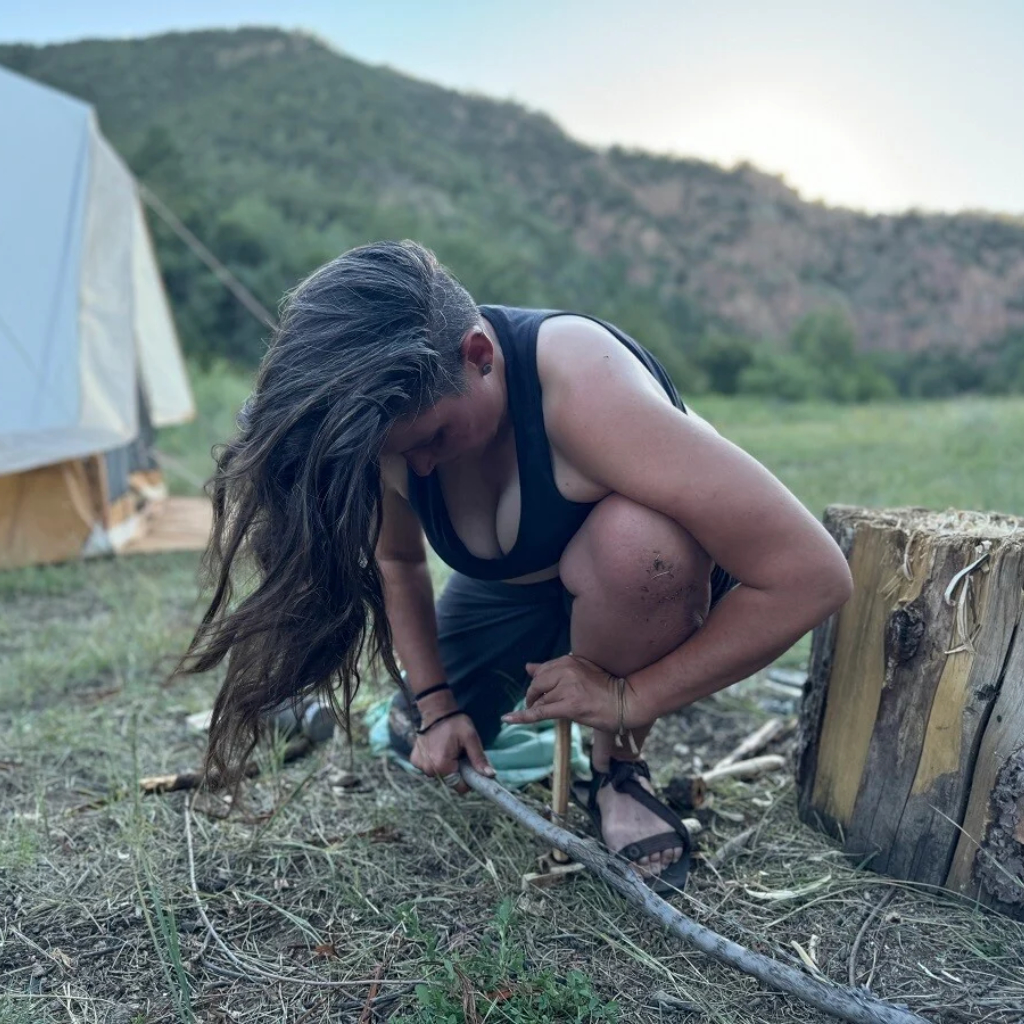
Time spent working with natural materials changes what you notice. A branch becomes more than a branch. You start considering its species, condition, grain, strength, flexibility, and how it might behave under the load you have in mind. You can recognize a piece that will bend into a useful shape and another that will snap when you ask the same thing of it. You waste less effort collecting material that was never going to work.
The same development happens with shelter, cordage, fire, and plants. After practicing several shelter arrangements, you see more ways to use terrain and block weather. After tying knots repeatedly, you can select an appropriate one without working through every knot you have ever seen. Studying plants helps you notice potential resources while also learning what you cannot confidently identify or safely use. This is the mental and physical toolbox bushcraft builds. The value is having tested options, including an honest understanding of their limits.
Technical ability still does not automatically produce sound emergency decisions. Someone can carve beautifully, cook well over a fire, and build an excellent shelter while misreading the biggest threat in front of them. They might continue construction while a companion gets colder, ignore an injury because the camp feels unfinished, or spend the last daylight on a project when communication and signaling needed attention. A person can be very busy and very skilled while their overall situation keeps getting worse.
Imagine someone spending an hour cutting poles and carving joints for a shelter intended to last several days. In that particular setting, basic wind protection, overhead cover, and ground insulation might have addressed the immediate exposure in twenty minutes. The error is committing to the elaborate version before deciding what protection is needed and how quickly it must be available. Knowing how to build something can become a trap if familiarity takes the place of assessment.
Survival requires looking beyond the task in your hands. Injury, body temperature, water, weather, navigation, energy, communication, and the time remaining all affect the next decision. Movement deserves the same scrutiny as construction. My article on whether to follow a river when you are lost examines another version of this problem: an idea that sounds useful can become dangerous when you apply it without reading the terrain and circumstances. Having an option does not automatically make it the right option.
Knowing When Good Enough Is the Right Answer
There comes a point when improving one thing prevents you from doing something more useful. Once a tarp is secure and providing the necessary protection, carving matching stakes may offer less benefit than getting bedding insulated or preparing a signal. Once the fire is producing the heat you need, trying another ignition method serves no immediate purpose. If cold is making your fingers clumsy, carving camp utensils is a poor assignment for them. The next job should come from the situation, not from your desire to finish a project.
Good enough still has to be enough. A loose anchor beneath a loaded tarp, a support likely to collapse, or a thin bed of vegetation over cold ground deserves attention if it leaves the threat unresolved. I am not looking for the smallest possible effort and then declaring victory. I am looking for a solution that meets the current need with a reasonable margin, so I can move on to the next priority and return if conditions change.
If you are lost and help may be looking for you, visibility and communication can be more valuable than another camp improvement. Seek help, conserve your resources, protect yourself from the weather, and make yourself easier to find. Once you have shared your location with rescuers, stay there unless an immediate danger requires movement, and follow their instructions. None of that looks as impressive as building a cabin from fallen timber, but it is work aimed at ending the emergency.
Time can eventually justify a more refined solution. If you are safely sheltered but facing a longer wait, improving durability, drainage, insulation, or a cooking arrangement may reduce the work and exposure ahead. The difference is that you stabilized the urgent problems first and then reconsidered what would help. Bushcraft asks how well you can make something. Survival keeps asking what it needs to do right now, and that answer can change through the night.
The Best Training Gives You Both
I want people to spend time with the detailed work. Carve the stakes, learn the knots, build the ridiculous camp kitchen, and figure out why one piece of wood behaves differently from another. Practice enough that you can notice an error before the structure is loaded or the tinder is gone. Enjoy the craftsmanship. If every outdoor exercise becomes a race, you can miss the slower observations that make you efficient later.
Then occasionally change the assignment. Keep backup equipment, safe conditions, and a clear stopping point, but give the exercise less time or limit the equipment you use for the practice task. Look at a comfortable camp and decide what you would build first if weather were approaching. Identify which improvements protect you, which save effort over several days, and which exist because they were enjoyable to make. You can practice pressure without manufacturing a real emergency.
For practical work on the survival side, our 5 Day Outdoor Survival Basics 101 course brings together shelter, fire, water, map and compass navigation, signaling, tool use, and scenario exercises. That combination gives students opportunities to apply individual skills while making decisions about the larger problem. If you want to move beyond reading about survival and start doing the work with instruction, this is the course I would have you look at first.
For the campcraft side, Bushcraft Basics: Basecamp Essentials with Jacks Genega is a complementary option. Its curriculum includes camp furniture, practical wooden tools, cordage, knots, notches, lashings, and cooking over a campfire. It gives the person who looked at that log and wanted to build the chair somewhere to put that enthusiasm to work. These approaches support each other because understanding the materials and choosing the right task belong in the same outdoor education.
Same Woods, Different Mission
Survival may leave you beneath an ugly piece of salvaged fabric held up by a rough stick, using every suitable resource you can find to reduce exposure. Bushcraft gives you time to turn that stick into a proper stake, the tarp into a comfortable camp, and the fire into a cooking system. Neither result tells the whole story by appearance alone. You have to consider what the person needed, what was available, and whether the work accomplished the job.
The person who has spent hundreds of hours making the refined version may recognize the workable crude version immediately. They understand the wood, the cordage, the shelter, and the fire well enough to leave unnecessary steps out. Survival thinking helps them decide which of those abilities deserves attention first. That is the relationship I want people to understand: learn deeply when you have time, use that knowledge when you do not, and never let making it pretty get in the way of making it work.we
About the Author
Jason Marsteiner is the founder and lead instructor at The Survival University, where he’s turned his obsession with staying alive into a mission to teach real-world survival skills. Forget fancy gear, Jason’s all about the know-how that gets you through the wild or a city crisis. A published author of Wilderness Survival Guide: Practical Skills for the Outdoor Adventurer, he’s distilled years of hard-earned wisdom into lessons anyone can use.
Raised in Colorado’s rugged mountains, Jason’s survival chops were forged in the wild, from Missouri forests to Arizona deserts to Costa Rican jungles. He’s navigated it all with next to nothing, earning creds like Wilderness First Responder (WFR) and SAR tracking along the way. He’s trained thousands to keep cool when 911’s out of reach, proving survival’s not just for grizzled adventurers, it’s for hikers, parents, and city slickers alike.
Jason’s mantra? Everyone should make it home safe. When he’s not running courses, he’s designing knives, mentoring newbies, or chilling in the city like the rest of us, always sharpening the skills that turn panic into power.
