


February 9, 2026
This article is about group dynamics and decision making in demanding environments. The Mount Whitney incident is used here as an example, not because it is unique, but because it clearly shows what changes when group cohesion breaks down. This analysis is based on publicly reported details of the January 2026 Mount Whitney incident and focuses on preventable patterns, not individuals.
The Mount Whitney Incident and What It Shows
In mid-January 2026, two climbers began a winter ascent of Mount Whitney, starting at approximately 11:30 p.m. on Saturday and continuing through the night and into the following day in cold, exposed, and technical terrain. By approximately 3:30 p.m. on Sunday, while near the 12,500-foot elevation, one climber determined it was safest to turn around and descend. The second climber continued ascending toward the summit alone.
By Monday morning, the solo climber had not returned. The reporting party contacted the Inyo County Sheriff’s Office, and Search and Rescue was initiated. An aerial search later located the climber deceased on the north face of Mount Whitney, below the “Final 400” on the Mountaineer’s Route.
It is tempting to fixate on the final choice. People often ask whether the climber should have turned around too, whether the timing was off, or whether the summit was close enough to justify the push. Those questions focus on outcome rather than process, and they miss the more instructive failure point.
The most meaningful decision in this incident was not summit or no summit. It was the moment the team stopped being a team.
Once the group split, the safety net changed immediately. Shared navigation disappeared. There was no second set of eyes to catch subtle route finding errors, no partner to notice deteriorating coordination, slowing pace, or early signs of cold injury, severe elevation sickness or exhaustion. There was no one to challenge assumptions or help manage time once fatigue began narrowing judgment.
Winter routes on high peaks are unforgiving in this way. They punish obvious mistakes, but they are just as effective at punishing quiet ones. A small delay, a minor navigation error, a slightly slower pace, or a brief lapse in decision making can compound quickly when there is no redundancy in the system. Alone, there is no buffer when those small issues stack.
This pattern becomes especially dangerous near the end of an objective. Fatigue is high, daylight is limited, and the summit feels close enough to justify decisions that would have felt unacceptable earlier in the day. Separation often gets framed as temporary or manageable, even when the environment has already removed most of the room for recovery.
Stripped of emotion and hindsight, the lesson is blunt. The moment the group separated, the margin for error collapsed. The mountain did not suddenly become more dangerous. The human system did.
This is not a story about blame or moral failure. It is a reminder that in complex environments, group integrity is not a social preference. It is a protective function.
What matters most about this incident is not the specific mountain, the route, or the individuals involved. What matters is the pattern. Groups rarely fail because of one dramatic mistake. They fail when small breakdowns in communication, decision making, and cohesion accumulate under stress. The rest of this piece is about those breakdowns, and how to prevent them long before a group ever reaches a point where separation feels like a reasonable option.
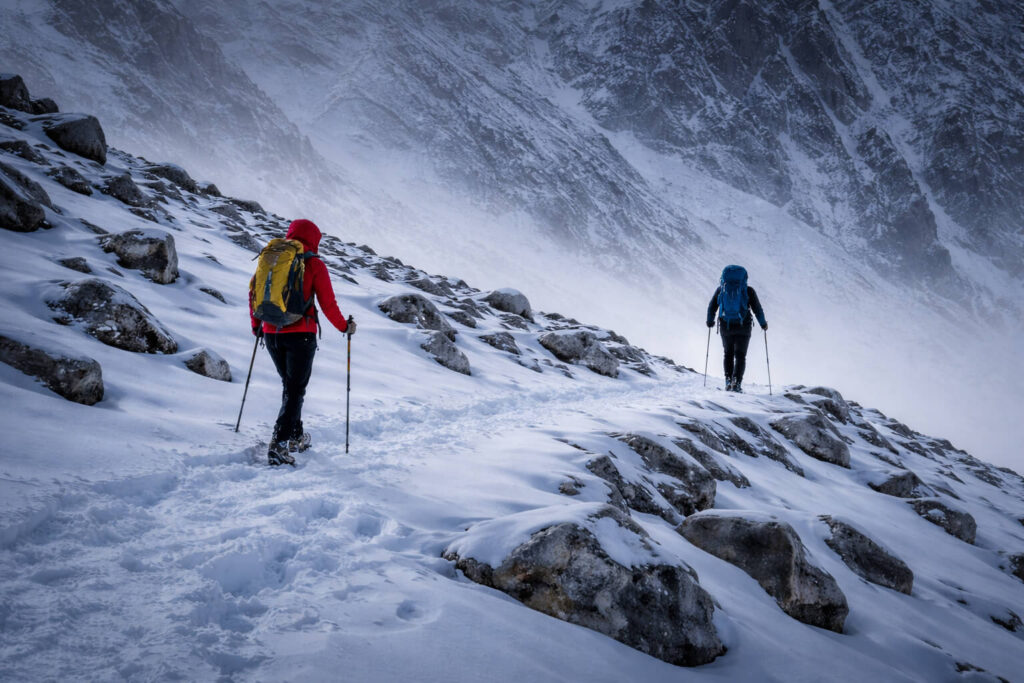
Before You Ever Step Onto the Trail: The Pre Trip Agreement
Most groups spend the bulk of their planning energy on gear. Packs get weighed. Layers get debated. Someone checks the weather forecast once or twice. All of that matters, but it is rarely what causes a group to unravel.
What most groups skip is the conversation about how decisions will be made when the plan stops going smoothly. Gear solves mechanical problems. It does not solve judgment problems, and it does not protect a group from social pressure once conditions change.
That conversation needs to happen before fatigue, cold, time pressure, or ego enter the picture. Once stress is high, people stop thinking clearly and unspoken assumptions start driving behavior. When those assumptions conflict, groups stretch, fracture, or split because the decision gets framed as obvious, inevitable, or harmless rather than deliberately examined.
A solid pre trip agreement does not need to be complicated, but it does need to be clear. It establishes how the group defines success, how risk decisions will be handled under stress, and what happens when someone is no longer aligned with the plan. Without that agreement, groups are forced to improvise under pressure, and improvisation is where preventable failures tend to begin.
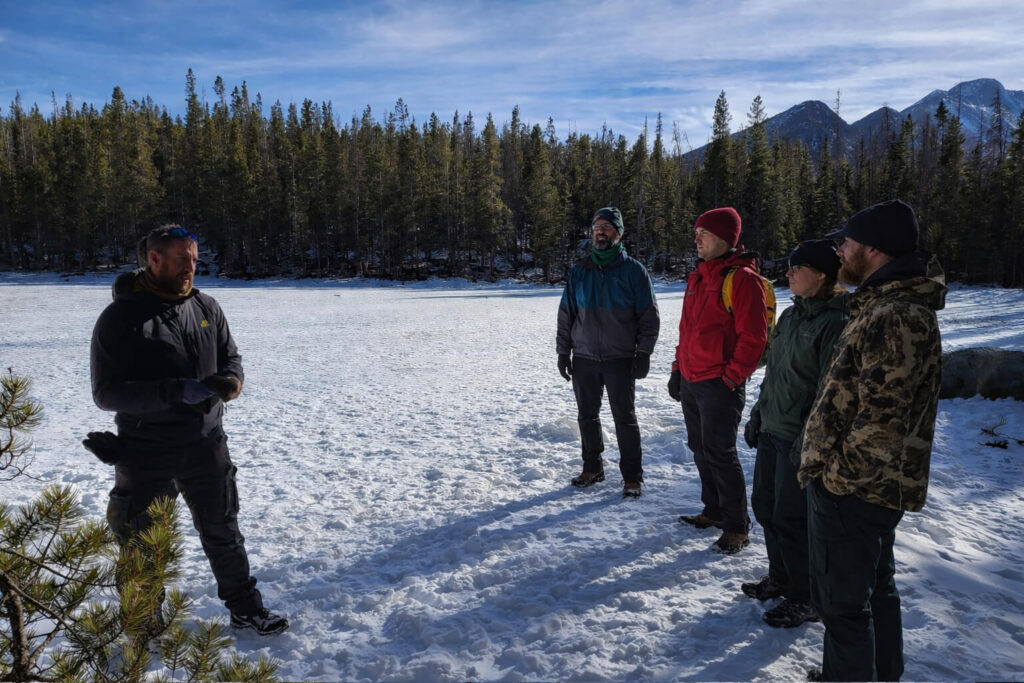
The Goal and the Real Goal
Every trip starts with a stated objective. A summit, a route, a lake, a distance, or a specific experience the group wants to have. That objective gives the trip structure and direction. It is what people point to when they describe what they are doing.
That is the goal.
The real goal is that everyone comes home.
Groups get into trouble when those two goals quietly switch places mid trip. It rarely happens all at once. More often, it happens gradually as effort accumulates, time gets invested, and turning around starts to feel like failure rather than judgment. The objective begins to carry emotional weight, and decisions shift from asking whether something makes sense to asking how much more can be tolerated.
When the objective becomes more important than the people, decision making narrows. Risk stops being evaluated on its own terms and starts getting justified by proximity, effort, or desire. Discomfort becomes something to push through instead of information to pay attention to. Warning signs that would have ended the day earlier now get reframed as manageable or temporary.
This is why the agreement before the outing matters. It needs to make it clear that the objective is optional and the return is not. The plan exists to serve the group, not the other way around. If the conditions, timing, energy, or group alignment no longer support the plan, the plan changes. That decision does not require debate or negotiation.
When conditions make continued movement unsafe, the discussion is already settled.
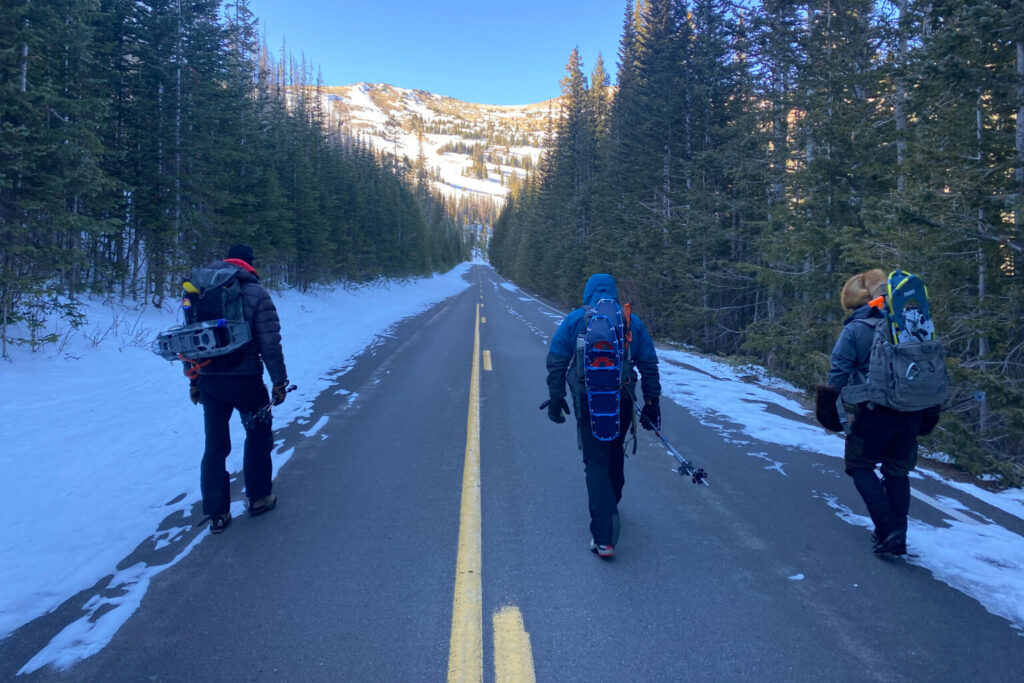
Turnaround Triggers
Turnaround decisions should not be invented on the fly. They should be discussed while everyone is warm, rested, and thinking clearly, before time pressure and fatigue begin narrowing judgment. The purpose of setting triggers in advance is not to be rigid. It is to remove ambiguity at the exact moment when ambiguity becomes dangerous.
Good turnaround triggers are specific and observable. They give the group a shared reference point so decisions do not depend on who is most motivated, most tired, or most invested in the outcome. When conditions start deteriorating, triggers reduce debate and prevent decisions from turning into negotiations.
Common examples include a firm time cutoff regardless of progress, loss of visibility, worsening weather, wind increasing beyond what was forecast, early signs of cold injury that do not resolve, increasing avalanche concern, route congestion slowing progress more than expected, unexpected gear failures, or a noticeable drop in coordination, judgment, or pace. None of these mean the group has failed. They mean the environment is providing new information that needs to be respected.
There is also one trigger that matters more than people want to admit. Someone simply saying, “This does not feel right.”
That statement is not a conclusion. It is a signal. Judgment is a real input, especially in complex or unfamiliar environments where not every risk can be quantified. When a person’s internal alarm goes off, that information deserves attention rather than dismissal, even if the exact reason is hard to articulate in the moment.
Turning around is not weakness. It is pattern recognition.
The No Split Rule
Groups often split because it feels efficient. One person is strong. One person is tired. The summit feels close. Someone suggests continuing while the other turns around.
What actually happens is that risk multiplies.
Once a group separates, shared navigation, shared observation, and shared problem solving disappear. Small issues that would have been noticed or corrected quietly now have room to grow. If something goes wrong, there is no immediate help, no backup plan, and no redundancy to absorb the failure.
This is not an argument against solo travel. Starting a trip solo is a valid and intentional choice when planned that way from the beginning. The risk profile is understood, systems are built around self-reliance, and decisions reflect that reality. Problems arise from unplanned separation. If a group starts together, it should finish together unless a different arrangement (e.g., separate teams) was explicitly discussed and agreed upon at the trailhead, with clear pairings and plans in place. If it wasn’t talked through in the parking lot, the default assumption is simple: the group stays intact for the entire outing. Improvising a split later under pressure multiplies risk unnecessarily.
The Veto Rule
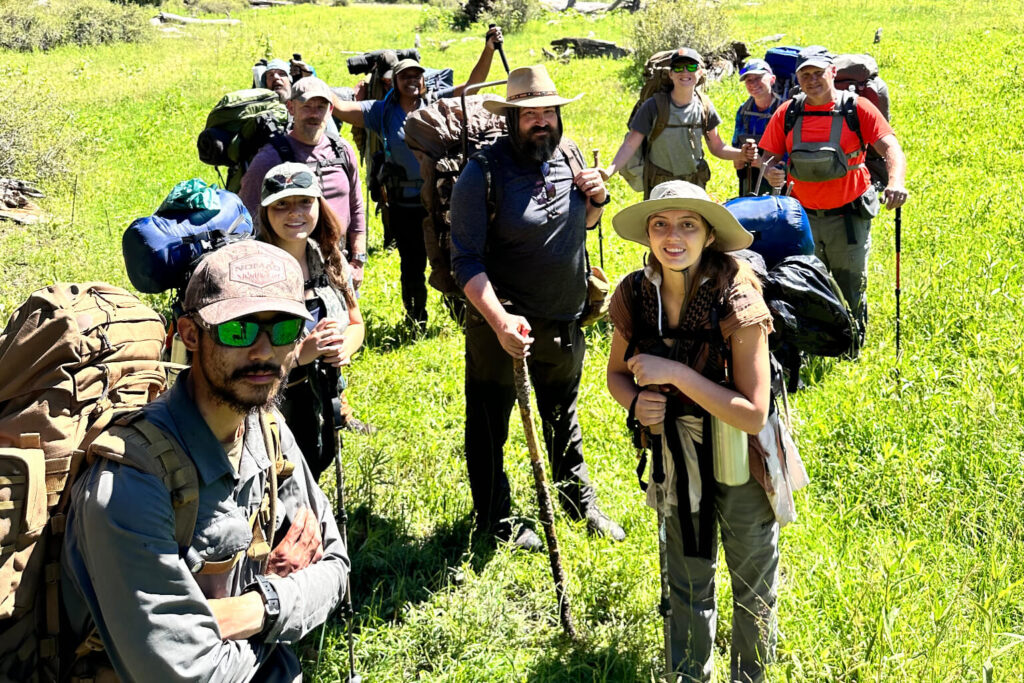
Every group needs a pressure release valve. In complex environments, not all problems announce themselves clearly, and not all risk shows up as something measurable. The veto rule exists to make sure early warning signals have a way to surface before they get buried by momentum, optimism, or group pressure.
The veto rule means that any member of the group has the authority to stop movement and call for a regroup without being shamed, rushed, or labeled as the problem. This is not about hierarchy or experience level. It is about protecting the group from continuing forward while important information is being ignored.
Calling a regroup does not automatically end the trip. What it does is pause forward motion so the situation can be assessed deliberately rather than emotionally. Conditions, timing, energy, spacing, and risk can be discussed openly while the group is still in a position to make good decisions.
The purpose of that discussion is not to talk the person out of their discomfort. It is not a debate, and it is not a persuasion exercise. The concern itself is valid input, even if the exact reason for it is not immediately clear. Discomfort is often the first signal that something in the system is no longer aligned.
If, after the discussion, the person who raised the concern still does not feel good about proceeding, the decision is already made. The group turns around and goes home. That is the function of the veto rule. It exists to prevent someone from being pressured into continuing when their judgment is telling them otherwise.
Without a veto rule, groups default to full consensus before slowing down or stopping. In practice, that standard silences people. No one wants to be the one who ruins the day or holds everyone back, so concerns get minimized or withheld until conditions force the issue. By then, options are fewer and consequences are heavier.
Strong groups do not silence caution. They build systems that allow it to surface early, when it can still be evaluated calmly and acted on without cost.
The Rules That Keep Groups Intact
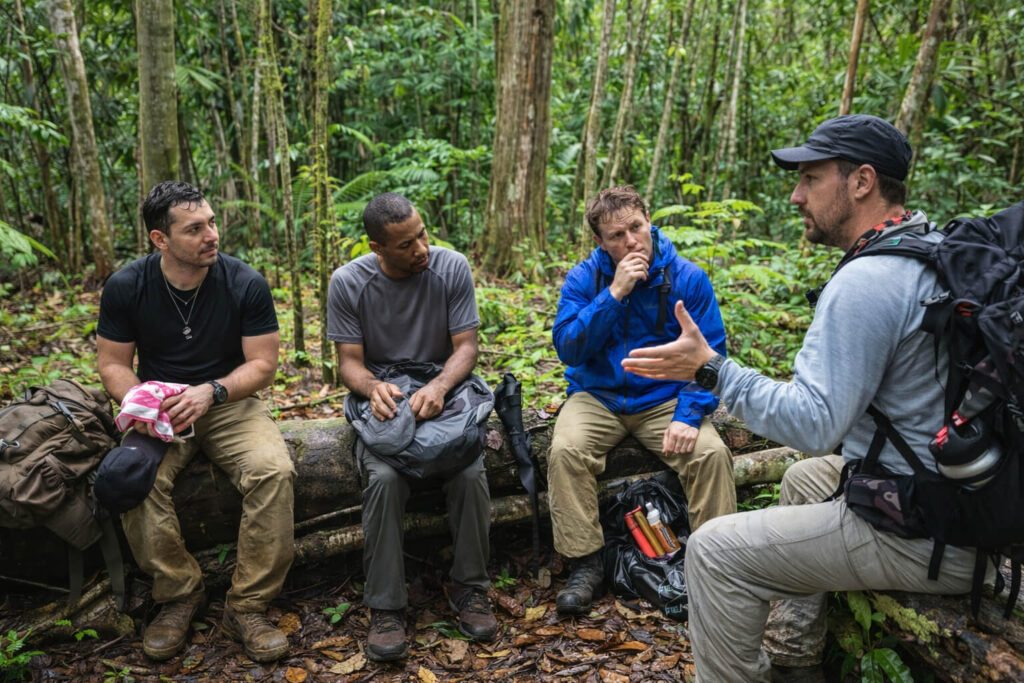
Groups rarely fail because of one big mistake. They unravel through small, predictable breakdowns in movement, awareness, and communication. These breakdowns often go unnoticed at first because each one feels minor on its own. By the time the group realizes something is wrong, spacing has increased, energy has dropped, and decision making has already narrowed.
The first rule is simple. The group moves at the pace that keeps the group together. This is not about catering to the slowest person or restraining the strongest. It is about maintaining a pace that allows everyone to stay mentally engaged and aware of what is happening around them. When speed is allowed to sort the group, spacing increases and communication degrades. People stop checking in with each other and start focusing inward. Someone ends up alone in exactly the place they should not be, often without anyone noticing right away.
The second rule is to regroup early rather than waiting until someone is clearly struggling. Most groups wait too long to stop. They push until breathing is ragged, coordination drops, or frustration becomes visible. Regroup points should be proactive, not reactive. Trail junctions, terrain changes, shifts in visibility, and transitions in travel mode are natural places to pause, look around, and account for everyone. If you cannot see the person behind you, the group is already too spread out, even if no one has said anything yet.
The third rule is the one people break when everything feels almost done. Nobody goes solo. Fatigue, cold, and time pressure degrade judgment even in highly skilled people. The closer the objective feels, the easier it becomes to justify temporary separation or individual pushes. Alone, there is no second set of eyes to catch a navigation error, no partner to notice deteriorating coordination, and no immediate help if something goes wrong.
Separation removes redundancy, and redundancy is what turns near misses into recoverable moments instead of final ones.
Roles on the Move: Lead, Sweep, and the Middle
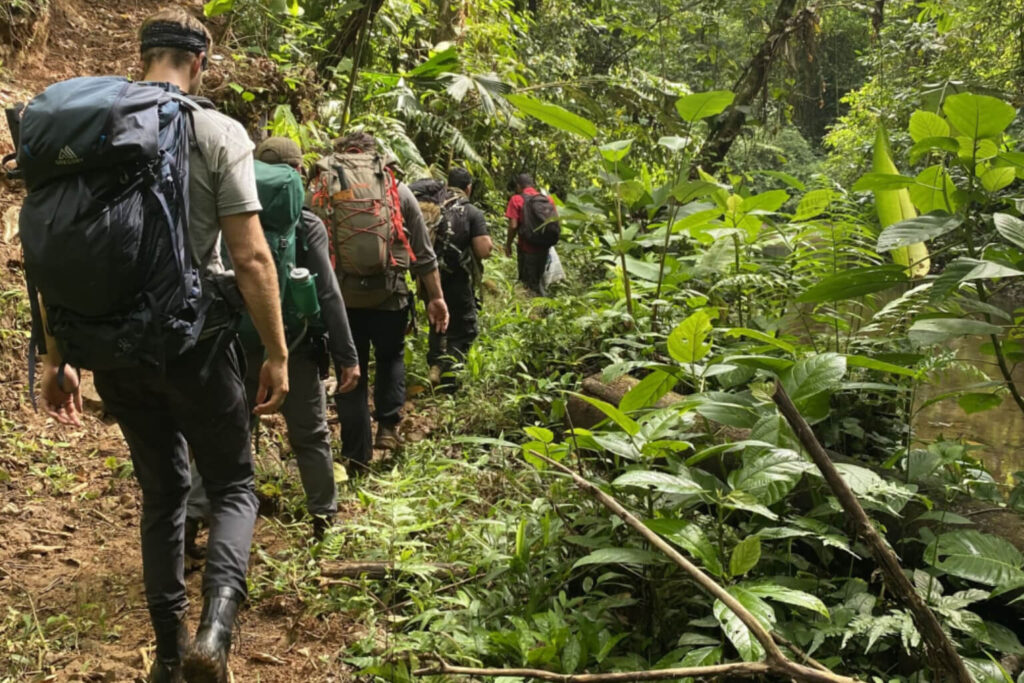
Most groups struggle not because no one is in charge, but because leadership is treated as a single fixed position. Strong groups function better when leadership is treated as coverage. Instead of one person trying to see and manage everything, responsibility is distributed so the group stays intact as it moves.
The lead manages pace and navigation while staying aware of the group behind them. This role is not about speed or strength. It is about setting a sustainable pace, making navigation decisions, and adjusting movement so the group remains cohesive. A good lead looks back as often as they look forward and treats the group as a system rather than a line.
The sweep is the designated rear guard. This is the person intentionally positioned at the back of the group, not by accident or because they are struggling, but to watch how the group is actually holding together. Fatigue, cold, minor injuries, and frustration tend to show up in the rear first. The sweep’s job is to notice those changes early and communicate them forward before they turn into forced stops or silent suffering. The sweep should be attentive, communicative, and comfortable speaking up, not simply the slowest person in the group.
In uneven terrain, stretched movement, or mixed experience groups, a leader in the middle can be just as important. From the middle, someone can see spacing in both directions and prevent the accordion effect where the front pulls away, the back falls behind, and the middle absorbs the stress. This role helps maintain steady movement and keeps communication flowing through the group.
For most non-technical outings, 2 leaders work better than 1. One person manages the front of the group and one protects the back. Everyone else stays between them, with clear expectations about spacing and communication.
When these roles are understood and assigned intentionally, problems surface earlier and decisions get made before they become urgent. When they are left undefined, groups rely on assumption and improvisation, and small issues are more likely to slip past unnoticed.
When Leadership Should Change in Real Time
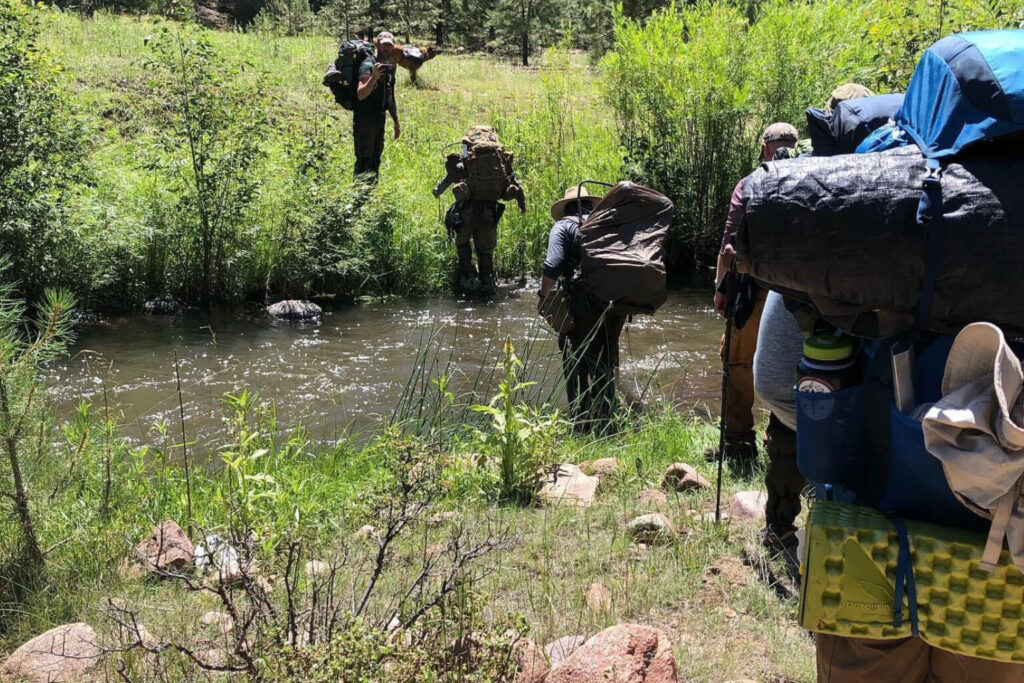
Leadership works best when it is functional rather than personal. In the field, problems do not arrive labeled, and they rarely respect titles. What matters in a given moment is not who is nominally in charge, but who is best equipped to interpret the situation directly in front of the group.
Different problems demand different skill sets, and strong groups recognize that quickly. When navigation becomes complex, the person with the strongest terrain association and route finding ability should guide decisions. When travel shifts into snow or ice, leadership should move to the person with the most experience managing footing, spacing, and consequence in those conditions. When a medical issue arises, authority should shift immediately to the person with the strongest medical training, while others support scene control and group stability.
This kind of leadership shift is not disorder. It is efficiency. It prevents the group from forcing one person to operate outside their strengths simply to preserve a sense of continuity or authority. When leadership stays fixed despite changing conditions, groups lose accuracy. Decisions slow down, uncertainty increases, and errors become more likely.
The role of the trip leader is not to solve every problem personally. It is to protect the decision making process of the group and recognize when someone else is better positioned to lead a specific moment. That means creating space for that shift to happen cleanly, without ego, resistance, or confusion.
Groups that understand this adapt smoothly as conditions change. Leadership moves to where it is most effective, and the group maintains clarity and momentum. Groups that resist it tend to stall, argue, or push forward under guidance that no longer fits the problem they are trying to solve.
The Hard Conversation: When Someone Should Not Go
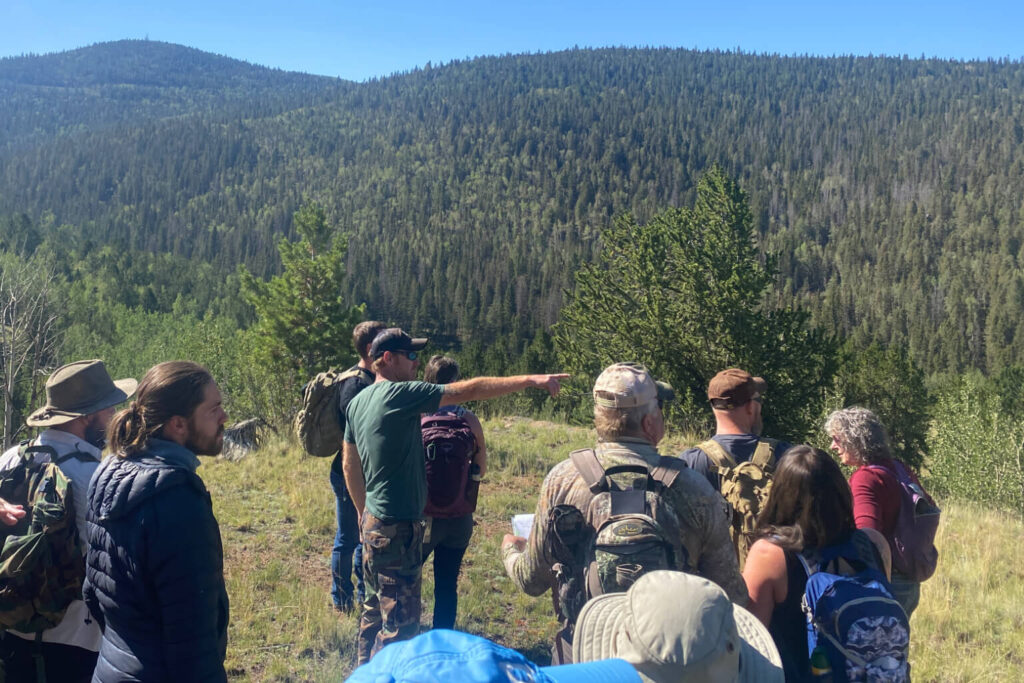
Sometimes the biggest risk to the group is not the conditions, the terrain, or the objective. It is a mismatch between the plan and a person’s readiness, judgment, or behavior. That mismatch does not have to come from lack of skill. It often comes from mindset.
Avoiding that conversation does not make the problem disappear. It just pushes it into the field, where consequences are heavier and options are fewer. A person can be capable, experienced, and motivated and still not be right for a specific plan on a specific day. Readiness is not a permanent label. It changes with sleep, stress, health, conditioning, and attitude.
This is where groups often get uncomfortable, because the conversation feels personal. But the decision is not about worth or identity. It is about fit. A plan that requires steady pacing, tight spacing, and conservative decision making is not compatible with someone who is unwilling to slow down, listen, or adapt. Pretending otherwise does not make the group stronger. It makes it fragile.
There is also a longer view that groups need to be honest about. Past behavior matters. If someone has already shown that their ego overrides group agreements, that they ignore pacing, dismiss concerns, push ahead solo, or undermine decisions in the field, that is information. If they acted that way on the last outing, they do not get invited on the next one. This is not punishment. It is risk management. Groups that tolerate that behavior teach everyone else that the rules are optional, and once that happens, the system stops working.
There is also a skill and fitness reality that groups have to be honest about. If everyone involved is prepared, conditioned, and capable for the objective and intends to move with purpose, it is reasonable to say no to someone who is not at the same level but wants to join because it sounds fun. That is not gatekeeping. It is alignment. The only way that person should be included is if every other member of the group explicitly agrees in advance to slow down, adjust expectations, and actively support the less capable person for the duration of the outing. No silent exceptions. No hoping it will work out. If the group is not genuinely willing to make that adjustment, the correct answer is not this time.
Once the decision is made to include someone who needs a slower pace or a smaller objective, the entire group has to actually accept that adjustment. Not tolerate it. Accept it. Quiet resentment is one of the fastest ways groups stretch and split. When people agree on paper but resist in practice, spacing increases, communication drops, and judgment degrades.
Good leaders separate capability from compatibility. Someone can be skilled and still not be a good fit for a particular group or objective. That does not make them weak. It means the plan and the person are misaligned. Ignoring that misalignment out of politeness or optimism is how manageable days turn into spirals.
Saying no early is not exclusion. It is prevention.
Ego, Summit Fever, and the “400 Feet Left” Trap
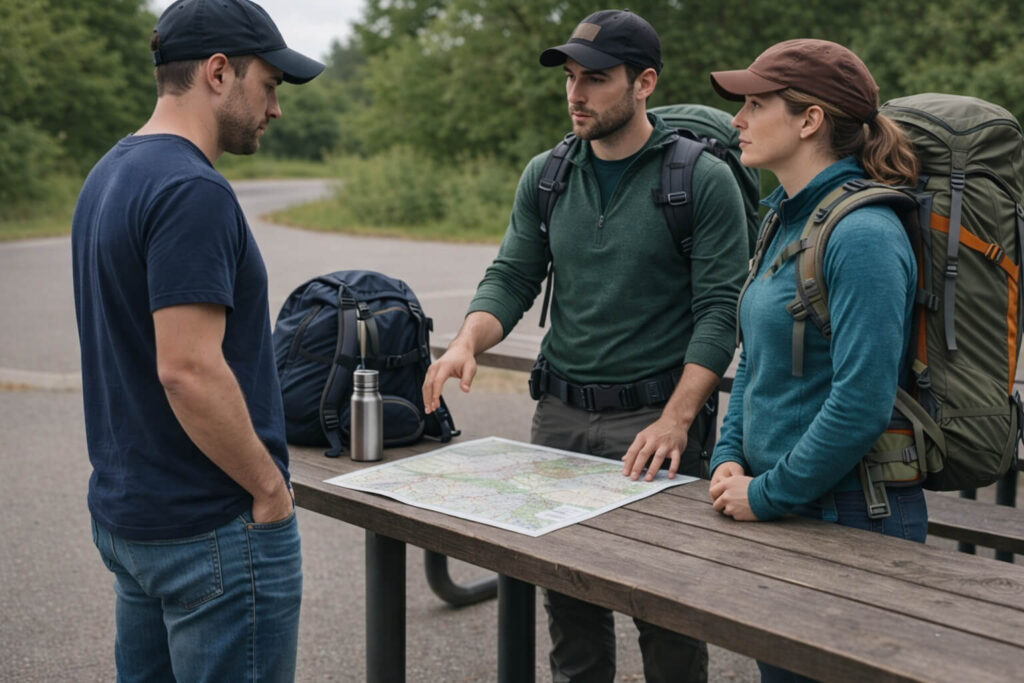
The closer a group gets to a goal, the louder ego becomes. Fatigue is high, time is tight, and effort has already been spent. The objective feels close enough that people start reframing risk instead of evaluating it. Decisions that would have felt reckless earlier in the day begin to sound reasonable because of how much work is already invested.
This is the trap. Risk starts getting treated like a fee that has already been paid, rather than something that still has to be managed. The mind shifts from assessment to justification. Warning signs are no longer weighed on their own merits. They are filtered through desire, pride, and the discomfort of turning around after coming so far.
This is where teams fracture. Not because anyone suddenly becomes irrational, but because people respond differently to the same pressure. One person hears the warning signs and recognizes that conditions, energy, or timing no longer support the plan. Another interprets those same signals as manageable or temporary and pushes on. In that moment, the shared decision making system collapses, even if the group is still physically close.
Near goal completion is also when judgment is most compromised. Fatigue narrows attention. Stress reduces flexibility. People become more resistant to information that threatens the outcome they want. At the same time, the most demanding part of the outing is often still ahead. The descent still has to happen, usually with less energy, worse conditions, and less daylight than expected.
The Mount Whitney incident is a reminder that being almost there proves nothing. Proximity to success does not protect against consequences. Strong groups understand this and plan for it deliberately. They treat the final stretch not as a victory lap, but as a phase where discipline, restraint, and group cohesion matter more than motivation or desire.
The final destination is optional. Staying together is not.
A Simple Pre Trip Framework
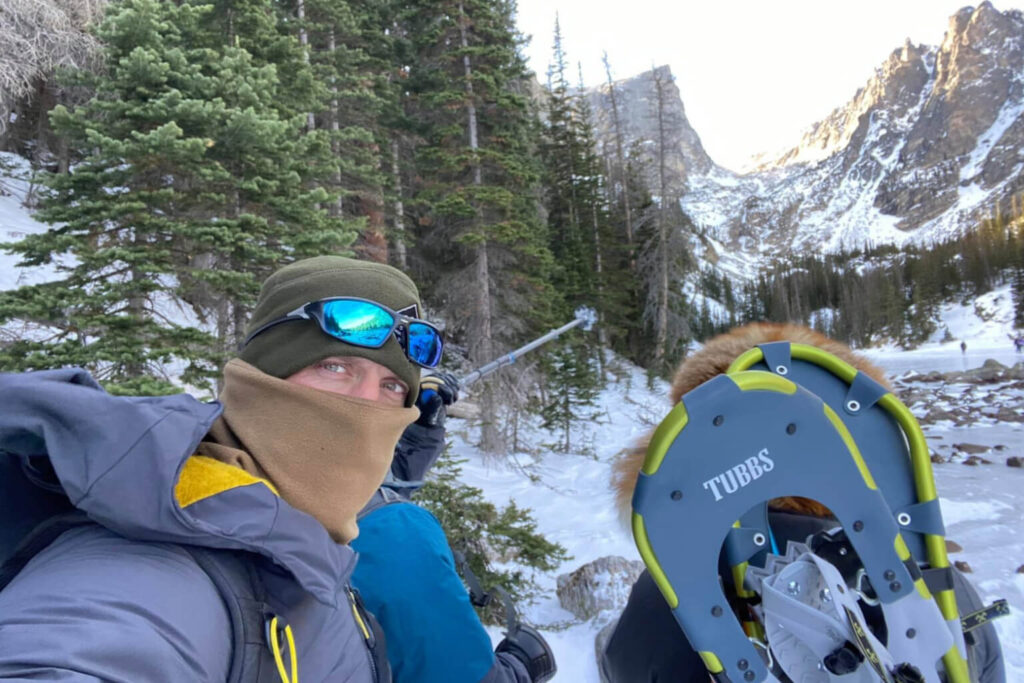
None of this is complicated. It is the kind of conversation that takes a few minutes before the group moves and can prevent hours of bad decisions later. The purpose is not to predict every problem, but to make sure the group is aligned before stress, fatigue, or ego start narrowing judgment.
Before the outing begins, someone in the group should be able to answer the following questions without hesitation.
• What is the plan today, and what time are we turning around no matter what?
• What do current conditions, weather, and available daylight realistically give us?
• Who is managing pace and direction, and who is watching the back of the group?
• Where are our natural regroup points if spacing starts to stretch?
• How are we communicating if we get spread out or visibility drops?
• Does everyone understand that anyone can call for a stop or a regroup?
• Are we clear that once we start together, the group does not split unless that plan was explicitly discussed?
• If someone is not ready for this plan, do we already have an alternate option that everyone accepts?
• Is everyone on the same page about how conservative or aggressive today’s movement is meant to be?
• Are there any known limitations today that the group needs to account for before moving?
This is not paperwork. It is alignment.
Groups that skip this conversation usually end up having it later, when it is colder, louder, and much harder to think.
This blog uses a combination of real photographs and AI generated images. AI images are used to illustrate concepts, not to document actual events.
About the Author
Jason Marsteiner is the founder and lead instructor at The Survival University, where he’s turned his obsession with staying alive into a mission to teach real-world survival skills. Forget fancy gear, Jason’s all about the know-how that gets you through the wild or a city crisis. A published author of Wilderness Survival Guide: Practical Skills for the Outdoor Adventurer, he’s distilled years of hard-earned wisdom into lessons anyone can use.
Raised in Colorado’s rugged mountains, Jason’s survival chops were forged in the wild—from Missouri forests to Arizona deserts to Costa Rican jungles. He’s navigated it all with next to nothing, earning creds like Wilderness First Responder (WFR) and SAR tracking along the way. He’s trained thousands to keep cool when 911’s out of reach, proving survival’s not just for grizzled adventurers, it’s for hikers, parents, and city slickers alike.
Jason’s mantra? Everyone should make it home safe. When he’s not running courses, he’s designing knives, mentoring newbies, or chilling in the city like the rest of us, always sharpening the skills that turn panic into power.
