


December 28, 2025
Why the cold affects your mind long before it shuts down your body
Hypothermia is not just a cold problem. It is a thinking problem that shows up early, quietly, and often goes unnoticed until judgment is already compromised.
Hypothermia Is Not Just Being Physically Cold
Most people picture hypothermia as a dramatic Hollywood scene. Someone buried in snow, violently shivering, teeth chattering, barely able to speak as rescuers rush in with blankets and hot drinks. News stories love the heroic moments. The helicopter winch. The dogs finding a buried skier. The friend who built a fire just in time. It is all physical. Blue lips. Stiff limbs. Collapse.
That is the end of the story, not the beginning.
Hypothermia starts quietly. Long before the body shuts down, judgment does. Small decisions begin to slide. “I’ll keep going a bit farther.” “I’m not that cold.” “One more hour won’t matter.” The physical signs come later. By then, the part of your brain that should be protecting you is already compromised.
I have seen it in students who were fine one hour, talking, laughing, moving strong, and confused the next. Arguing over obvious fixes. Fixating on irrelevant details. Conditions did not need to be extreme. A wet day in the 40s. Sweat-soaked clothes from exertion. Wind picking up. Poor fueling. The body cools gradually, but the mind slips faster than most people realize.
This is not about toughness or willpower. It is physiology. Cold redirects blood away from the brain to protect vital organs. What feels like pushing through becomes impaired reasoning. By the time someone feels dangerously cold, their ability to self-rescue is often already gone.
Understanding this mental shift is not fear-mongering. It is the difference between recognizing the slide early and becoming another statistic.
Why the Brain Starts to Fail
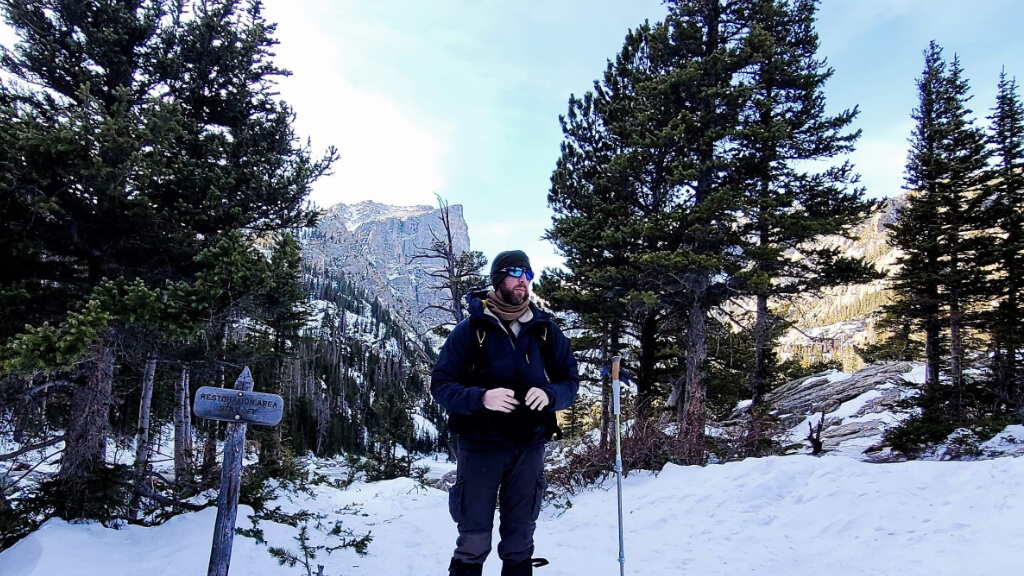
The human brain is greedy. It needs a steady supply of warm blood to work right. When core temperature starts to drop, the body responds by pulling heat away from the arms, legs, hands, and feet and pushing it inward to protect the heart and lungs. That keeps you alive, but it comes at a cost. The brain is one of the places that pays for it.
As body temperature falls, less warm blood reaches the brain. That means less fuel and less oxygen. Thinking slows. Processing takes longer. Decisions get sloppy. The body is trying to conserve heat, but the mind starts running on a reduced supply.
This is a survival response, not a malfunction. The body shifts into conservation mode. It spends energy where it has to and cuts it where it can. The brain adjusts by slowing down to match what it is getting. That helps keep you alive in the short term, but it quietly erodes judgment.
Medical settings sometimes use controlled cooling on purpose because slowing the brain can reduce damage after major injuries. In those situations, the person is monitored, supported, and rewarmed carefully. Out in the field, none of that protection exists. The same slowdown happens, but without safeguards. The brain saves energy, but it also loses clarity.
This is why hypothermia is so dangerous early. You do not feel dramatic symptoms right away. You feel a little off. Thinking takes effort. Small decisions start slipping. You blame it on being tired, hungry, or annoyed by the weather. You do not realize that your ability to judge risk is already degrading.
What feels like pushing through is often impaired reasoning. You keep moving because stopping feels unnecessary. You delay shelter because the urgency does not register. You make choices that feel logical in the moment but stack toward trouble.
Early hypothermia often shows up as subtle mental changes before physical ones dominate. Reaction time slows. Memory gets fuzzy. Focus narrows. These shifts can happen at temperatures that many people still consider safe. Long before things look serious, the slide has already started.
Think of it like a system being forced into low power mode while still expected to perform important tasks. It keeps running, but slower. Details get missed. Errors creep in. And the person relying on it often has no idea it is happening.
That is the real danger. Not the cold itself, but the quiet loss of judgment that comes with it.
The Mumbles, Stumbles, and Grumbles
Outdoor instructors and medical professionals like EMTs and paramedics use the phrase “mumbles, stumbles, and grumbles” because they are the first reliable signs that someone is losing the battle inside their own head.
You start hearing short answers, slurred words, or long delays before someone responds. That is the “mumbles.”
I call this “altered” when someone acts off from their normal self. If you know the person well, it’s easy to spot if you’re paying attention. Speech slows. Responses come late or incomplete. Words slur just a bit. They might repeat questions or trail off mid-sentence. It’s not drunkenness. It’s the brain struggling to form thoughts and push them out.
Then their steps become sloppy, they misjudge footing, or they fall behind for no clear reason. That is the “stumbles.”
Trips on flat ground. Drops gear they normally handle fine. Balance wobbles on easy terrain. If you’re adventuring with someone you don’t know well, this is harder to catch at first. You have to watch closer for patterns. One stumble might be nothing. Repeated ones, especially with no obvious cause like rough trail, mean something’s wrong.
And the “grumbles” show up as irritability, frustration, or emotional reactions that do not match the situation.
Snapping over small stuff. Complaining out of proportion. Or the opposite. Withdrawing, going quiet when they normally chat. Mood swings that feel random. Again, if you know them, you spot the change fast. Strangers take more observation.
The big trap is that hypothermic people almost never recognize these in themselves. They insist they’re fine, even as mistakes pile up. “I’m just tired.” “It’s not that bad.” Their judgment is already impaired, so they can’t self-correct. That’s why you act on what you see, not what they say. If the signs stack. Mumbles plus stumbles plus grumbles. Intervene. Don’t wait for agreement.
These symptoms are not personality problems. They are neurological alarms. A warm, alert person does not suddenly become clumsy and irritable. A cold brain does. Spot them early. Act on them. That’s how you stop the slide before it gets ugly.
Shivering and What It Actually Means
Shivering is not discomfort. It is your body’s warning system telling you it is struggling to stay warm. Those rapid muscle contractions are how your body tries to generate heat when core temperature starts to drop. Muscles fire fast and involuntarily to push warmth back toward the center.
That response works, but it is expensive. Shivering burns calories at a brutal rate, up to five times more than resting. The body pulls fuel from stored carbohydrates first, then from fat. If no fuel is coming in, those reserves drain quickly.
When someone is hungry or dehydrated, shivering becomes weaker and less effective. The body simply cannot keep up. A candy bar, a hot drink, or even sugar in water can buy time. Movement helps too, but only if the person is still capable of doing it safely.
Here is the part most people misunderstand. When shivering stops without the person being warmed from the outside, that is not improvement. It means the body has run out of fuel to keep producing heat. Core temperature drops faster. Confusion deepens. Weakness follows. Once shivering ends, the slide accelerates.
I have seen people relax or even celebrate when someone stops shivering, assuming they are getting better. But nothing had changed to fix the cold. No fire was built. No dry layers added. No food or hot drinks given. The body had simply exhausted its ability to fight. That is not recovery. It is failure.
When shivering stops without warmth added, act immediately. Feed them. Insulate them. Get them out of wind and off cold ground. At that point they can no longer generate enough heat on their own. Waiting makes everything harder.
The Mental Shift: Poor Decisions and Tunnel Vision
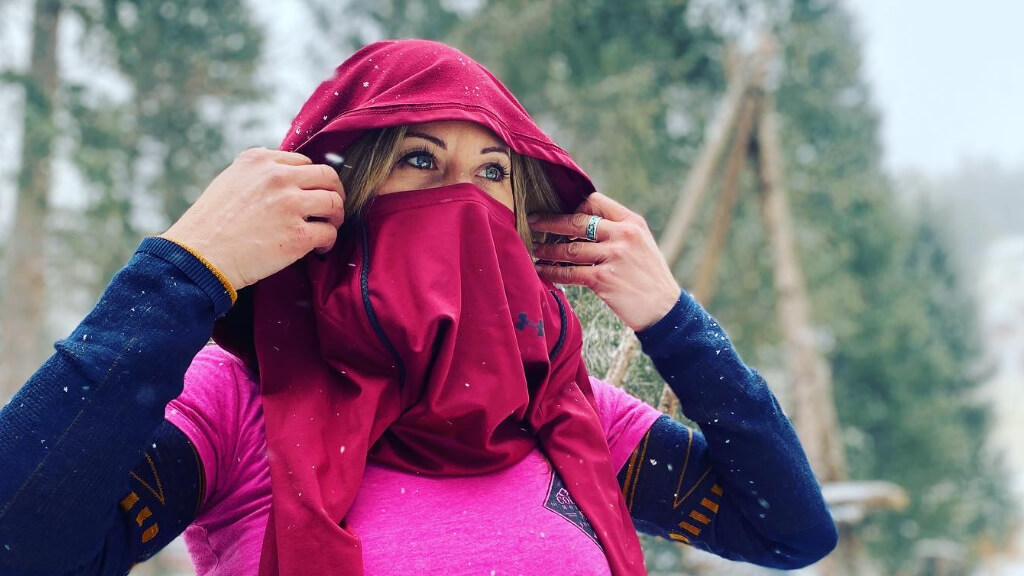
As hypothermia deepens, reasoning starts to collapse. A person begins focusing on tiny, meaningless details. They may fixate on a backpack strap, a glove, or a zipper that suddenly becomes the most important task in the world. They’ll spend minutes fiddling with a loose shoelace or adjusting a hat while ignoring the wind cutting through their jacket or the group calling them to move. The brain narrows its focus to something small and “fixable” because big-picture thinking is too hard. Real threats blur into the background.
Meanwhile, the real dangers around them go unnoticed. Cold feels distant. Fatigue feels normal. The need for shelter or fire doesn’t register as urgent.
People stop reacting to wind, cold, or darkness. They might wander away from the group, sit down, or refuse help. I’ve seen students drift off trail without noticing, or refuse to put on dry clothes because “it’s not that bad.” They argue when you try to help, digging in on bad calls.
They may argue, become stubborn, or insist they are fine when they are absolutely not fine. This “I’m okay” denial is common. Their impaired brain can’t assess risk properly, so they fight the very help they need. Pride mixes with confusion, making them double down on poor choices.
Once the brain slips past a certain point, you are no longer dealing with a thinking partner. You are dealing with someone whose mind is no longer fully present. At this stage, logic won’t work. You can’t reason them into action. You have to step in and act for them. Guide them to shelter. Force food or drinks. Keep them moving if possible. Their judgment is offline, and waiting for them to “snap out of it” wastes time you don’t have.
This tunnel vision isn’t laziness or stupidity. It’s the cold brain prioritizing survival wrong. It protects basic functions but sacrifices awareness and planning. Spot it early, and you interrupt the shift. Let it go, and decisions turn dangerous fast.
Why People Sit Down and Shut Down
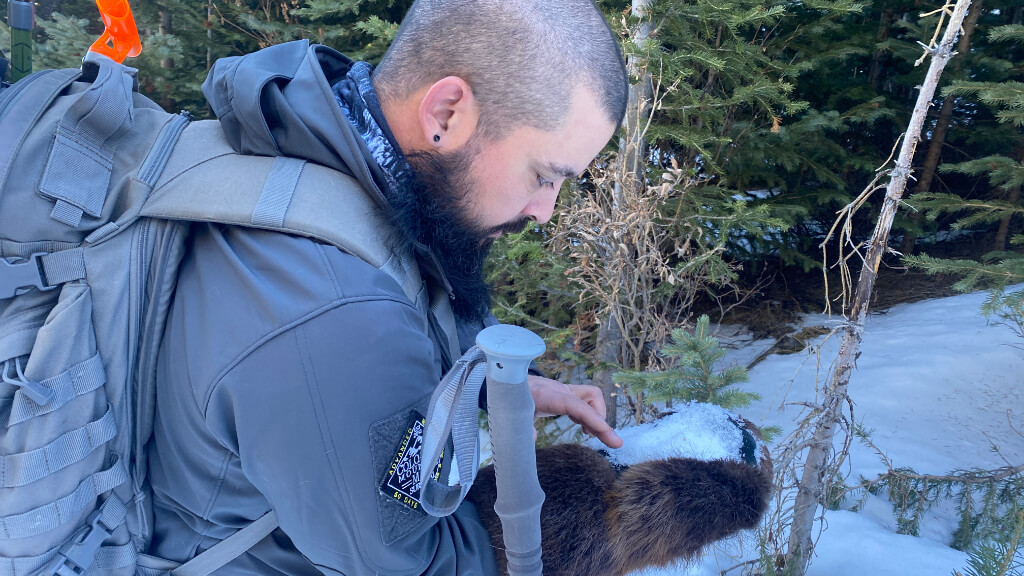
When someone is extremely cold, sitting feels like relief. But that relief is a trap. Sitting stops movement, which stops heat production. And if you sit on snow, rock, or cold ground, your body gives its remaining warmth directly to whatever surface you are touching. Cold conducts fast through wet clothes or bare skin. You lose heat to the ground quicker than the air. It’s like placing your core on an ice pack.
The mental part hits first. The brain, already low on fuel, starts craving rest. Standing feels like too much effort. “Just a quick break” turns into minutes, then longer. The drive to keep going fades. People describe it as a heavy fog settling in their head. Thoughts slow. Motivation drains. They know they should move, but the signal doesn’t reach the body.
I’ve watched people slowly drift toward that moment without even realizing it. They stop talking, their shoulders round forward, the drive to continue evaporates. One minute they’re walking. The next, they’re looking for a log or rock to sit on. Eyes get distant. Conversation dries up. They might lean against a tree or drop their pack and just stare at nothing.
This is not laziness or panic. It is the brain slipping into shutdown mode. The cold has narrowed priorities to basic conservation. Higher functions like planning or urgency shut off to save energy. It’s the same mechanism that protects organs but sacrifices awareness.
Standing, even with slow movement, keeps the body generating heat. Muscles working, even a little, produce warmth. Blood circulates better. The brain gets a tiny boost. Sitting without protection accelerates the decline. No heat made. More heat lost to ground. The slide speeds up. Shivering weakens. Confusion deepens. Getting back up becomes harder, then impossible without help.
I’ve pulled people out of this spot more than once. They sit, convinced a rest will help. Minutes later, they’re altered. Slow to respond, stubborn about moving. Force them up gently, get calories in, add insulation under them first. Break the trap early. Once they’re down and shut down, the clock runs faster.
Paradoxical Undressing: Why People Feel Hot
One of the strangest and most heartbreaking symptoms of late stage hypothermia is paradoxical undressing. As the body loses control of its temperature regulation, blood vessels suddenly relax and send a rush of warm blood toward the skin. The person feels an intense wave of heat. Their judgment is already compromised, so they strip layers off.
This happens in a surprisingly large percentage of fatal hypothermia cases. The hypothalamus malfunctions. The body misreads the signal and dilates surface vessels instead of constricting them. That flush of “warm” blood to the skin tricks the brain into feeling hot. Confusion does the rest. Clothes come off even in freezing conditions.
This is why search and rescue teams find victims partially or completely undressed in freezing temperatures. They did not “lose their minds” in the dramatic sense. Their brain was malfunctioning in a predictable, physiological way.
I first learned about this when I was 14 in my hunter safety course. The ranger spent time on it because hunters are prime victims. He showed us case studies and a reenactment video based on a real incident. A hunter fell into a stream while crossing. Soaked through. He took a wrong turn heading back to his truck instead of stopping to build a fire, dry his clothes, and warm up. Temps dropped fast that night.
His friends started searching. At some point in the cold and confusion, paradoxical undressing hit. He stripped naked. It also brought on paranoia. He hid in bushes a short distance from where rescuers were actively looking. In his pack were dry clothes he never used. They found him dead the next day.
The ranger drilled it in. “If you’re wet and cold, stop everything and fix it. Build fire. Change clothes. Don’t keep pushing.” That video stuck with me. The hunter wasn’t suicidal or crazy. His brain betrayed him in a way the cold makes predictable.
Paradoxical undressing isn’t rare in hypothermia deaths. It speeds heat loss dramatically. Once clothes are off, the body cools even faster. Combined with confusion or paranoia, victims burrow into snow, hide under brush, or crawl into tight spots thinking they’re hiding from danger or getting warm.
Spot the early signs and intervene before this stage. Once someone starts feeling “hot” and reaching for zippers, time is short.
How Physical Decline Drives Mental Collapse
Cold does more than slow your thoughts. It takes away your ability to act. Fine motor skills disappear first. Simple tasks like opening a buckle or lighting a fire become impossible. Fingers turn thick and clumsy. Zippers slip from grip. Matches drop. Even buttoning a jacket or tying a knot feels like trying to work with mittens on. The cold stiffens joints and numbs nerves. Precision goes out the window.
Hands fail. Muscles weaken. Legs shake. Larger movements get heavy. Walking turns into shuffling. Balance wobbles on ground that was easy before. Fatigue hits harder because the body is burning extra energy just to stay warm. Strength drains fast.
But the real danger comes when the physical and mental declines reinforce each other. A person who cannot think clearly also cannot perform the physical tasks needed to survive, and a person who cannot perform those tasks sinks deeper into mental confusion. The loop tightens. Confused brain tells body to rest. Body rests and cools more. Colder body feeds worse confusion. Decisions get poorer. Tasks get harder. The slide accelerates.
I’ve seen it play out. Someone struggling to light a stove because hands won’t work right. Frustration builds. They give up on the stove and sit instead. Sitting speeds cooling. Cooling deepens confusion. Next thing, they’re not trying anything. The physical block feeds the mental stall, and the mental stall feeds the physical block.
It becomes a loop that only outside intervention can break. Someone else has to step in. Light the fire for them. Help with gear. Force food or movement. Waiting for them to “push through” doesn’t work. Their system is locked in decline. Break the cycle early with help, and they rebound. Let it run, and recovery turns hard or impossible.
This is why you watch partners close in cold conditions. Physical signs show up clear. Use them to spot the mental ones coming. Act before the loop closes.
Why Leadership Matters When Someone Is Crashing
When hypothermia begins affecting the mind, the person experiencing it cannot recognize it. They cannot save themselves and often resist the help they desperately need.
This is where leadership becomes non-negotiable. Someone has to step in, make decisions, and take responsibility. You cannot “talk someone out of hypothermia.” You have to act for them. That means keeping them moving, adding insulation, building shelter, protecting them from wind, or getting a fire going.
Sometimes you have to be super firm. Almost mean. They might argue or refuse to stand. Grab their arm if needed and pull them up. If they can stand at all, make them move. Short steps. Anything to generate heat and circulation. Their brain is offline on risk assessment. They won’t thank you in the moment. They will later.
When someone is fading, their partner becomes their lifeline. Leaving them alone is not an option unless shelter, heat, and protection are already established. Even then, check often. The slide can restart fast without monitoring.
Leadership here isn’t gentle encouragement. It’s decisive action. Override their “I’m fine” with calm force if required. Feed them. Insulate them. Move them. The cold doesn’t negotiate, and neither can you when lives depend on it.
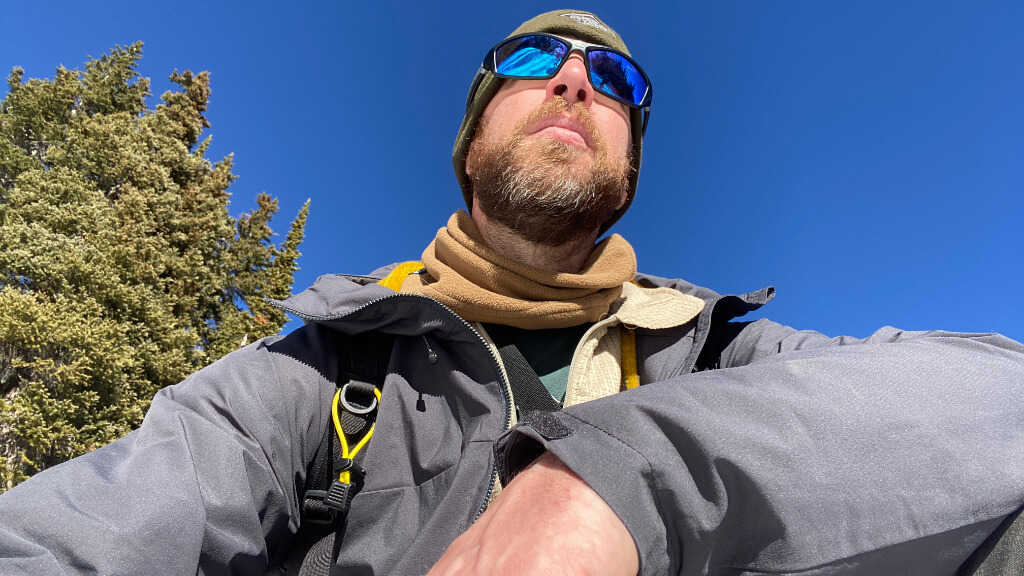
This is the kind of decision making we train for in our Colorado Winter Field Training. The focus is not on proving toughness, but on understanding how cold changes thinking, movement, and judgment, and learning how to stay deliberate when the margin is thin. Winter exposes small mistakes quickly. Training is about recognizing those moments early and knowing how to take care of yourself and the people around you before the slide starts.
Real World Scenarios: How Hypothermia Creeps In
People imagine hypothermia as a dramatic winter storm event, but most cases start with something small: a wet shirt, a long break, a late start, a calorie deficit, or a wind that was stronger than expected.
The cold does not need a blizzard to do damage. It sneaks in during ordinary outings. A fall day hike turns wet from rain or sweat. Someone skips lunch because they are “not hungry yet.” Wind kicks up, stripping heat faster than they notice. Fatigue from a bad night sleep makes everything worse. These little things stack. The body cools slowly. The mind shifts before you know it.
I have watched people go from “I’m fine” to “I’m not okay” in minutes. Confidence does not protect you. It affects day hikers, hunters, backpackers, students, seasoned outdoorsmen, and anyone who underestimates how quickly conditions can turn against them.
Confident people are often the last to admit trouble. They push through “just a little cold” until judgment fails. Day hikers in jeans and cotton sweatshirts get wet from a stream crossing and keep going. Hunters sit too long in a stand, wind chilling them slow. Backpackers cut calories to save weight and feel off by afternoon. Students in class ignore early shivers because “it’s part of the training.” Seasoned folks think “I’ve done colder” and delay shelter. Anyone can slip if they miss the combo of factors.
The danger is not the temperature. The danger is the combination of cold, wet, wind, fatigue, and time.
Temperature alone is rarely the killer. It is the mix. Cold air pulls heat. Wet clothes conduct it away 25 times faster than dry. Wind strips the warm air layer around your body. Fatigue lowers your ability to generate heat or notice signs. Time lets it all build. A 50°F rainy day with wind can kill faster than a 20°F dry calm one if you are wet and tired.
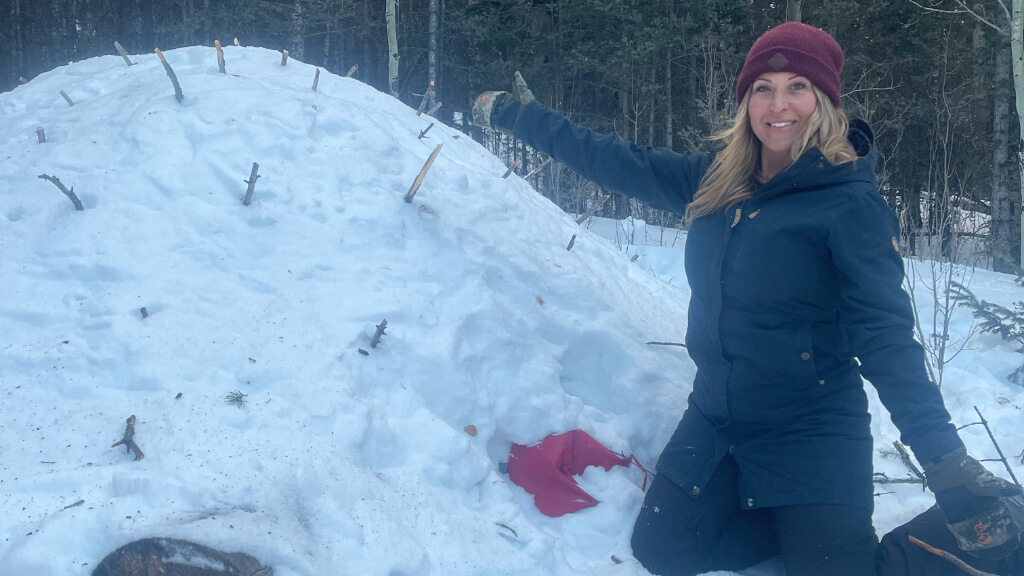
One of my favorite examples came from a student who is now one of my lead instructors. Her name is Jess Caldwell. If you are here, you probably know her well by now. This was years ago, her first winter training course with me. She had never built anything like this before, but I set her to work on a quinzhee, a big snow mound you pile up, let sinter or harden, then hollow out into a cave-like shelter.
Jess dove in like it was the best day ever. She was out there heaving shovel after shovel of snow into a massive pile, laughing and smiling the whole time, smacking the snow pile with the shovel to pack it down. The sun was out but she was tucked away at the edge of the shady treeline. The snow was crisp and powdery. She stripped off her heavy outer jacket because she was working up a serious sweat. Face flushed, breath steaming, totally in the zone. I let her be so she could enjoy the experience on her own and build her very own fortress of solitude. I watched from my trailer nearby, sipping coffee, thinking “this one’s got spirit.”
She kept at it for hours. In and out of the mound, tossing away shovels full of snow, filming the process on her phone for her people back home, shaping the entrance just right. She was having an absolute blast. The quinzhee was coming together solid, thick walls, smooth interior. She was proud, and it showed.
About three hours in, she finally called it done and started trudging across the snowy field toward my trailer. That is when I noticed something off. Her steps were slower than they should have been and a little wobbly. When she got to the door, I opened it and she stood there, teeth chattering just a bit, her smile big but almost forced, looking drained.
I asked if she was okay. Her speech came slow, words spaced out like she had to think hard to get them. “I’m… really cold now.” Hands slightly trembling. Movements sluggish. She had put her jacket back on, but everything underneath was soaked from sweat and from her crawling around in the snow.
At that point, I did not know her well. This was day two or three of the course. But she was clearly altered. Survival mode kicked in. I recognized hypothermia setting up shop. Fortunately I had everything I needed right there. I got her inside fast, cranked the heater, helped her peel off the wet layers since her hands were too numb for zippers or buttons. Her fine motor functions were all but gone. I sent her to the back room for dry thermals. Once she returned I piled blankets over her on the couch. I made thick hot chocolate and kept the drinks coming to warm her core.
I sat with her, talking easy stuff until the color came back, her speech sped up, and that spark returned. She normalized quickly once we interrupted the slide. It turned out great. She has been crushing it as an instructor ever since.
Even in fun winter training, sweat plus cold air equals trouble if you do not change out fast.
Another common one is the day hiker who gets caught in unexpected rain. It starts with a wet shirt from sweat or a stream splash. Wind picks up. They take a long break to “rest,” thinking it is no big deal. A calorie deficit from skipping snacks makes it worse. An hour in, they are mumbly and grumbly but insist on pushing to the end. By the time fatigue hits full, judgment is gone. They sit down “for a minute,” and the loop starts.
Hunters are classic victims. They sit too long in a stand or blind. Cold seeps in slow. Wind chills exposed skin. No food or water because “it’s just a morning hunt.” Fatigue from an early wake-up builds. They grumble about the weather but do not move to warm up. An hour turns to two. Mental fog rolls in. They wander off the stand, make bad calls on direction, or strip layers feeling “hot.” Rescue finds them confused and half-dressed.
Backpackers cut weight by skimping calories or gear. A late start pushes them into dusk cold. Wind is stronger than expected. They feel fine at first but ignore the slow chill. They stop for a “quick” break that lasts too long. Grumbles kick in over trail conditions. Stumbles happen on easy ground. What started as a solid plan unravels fast.
The key is spotting how these small things add up. Cold by itself is manageable. It is the slow accumulation that turns routine outings into emergencies. Stay ahead. Eat. Move. Dry out. Do not let the creep start.
How to Protect Yourself and Others
Most hypothermia cases are preventable with simple habits:
- Keep moving when you start to feel chilled. Short walks or arm swings generate heat fast.
- Add layers before you feel cold. Once shivering starts, you’re already behind.
- Strip layers early if you’re heating up from work. Wet from sweat is just as bad as wet from rain.
- Eat and drink consistently. Calories are fuel for your internal furnace. Hot drinks warm the core quickest. Even if you’re not hungry, force snacks like nuts, bars, chocolate.
- Stay dry whenever possible. Wet clothes pull heat 25 times faster than dry. Change out of sweat-soaked base layers during breaks. Carry spare socks and a dry shirt.
- Don’t wear cotton. It soaks up sweat or rain and holds it against your skin, pulling heat away fast. Wear wool or quick-dry synthetics instead. They wick moisture or keep insulating even when damp.
- Recognize mental changes in yourself and others. Watch for mumbles, stumbles, grumbles, or “altered” behavior. Ask direct questions like “How are your fingers?” to check clarity.
- Build shelter before you are desperate. A quick windbreak or debris hut buys huge time. Don’t wait until hands are numb.
- Stay off cold ground unless insulated. Sit on your pack, foam pad, or piled branches. Ground sucks heat like a vacuum.
- Never separate from someone who is fading. If they’re altered, they’re not thinking straight. Stick together. One person watches the other.
These aren’t advanced skills. They’re habits. Drill them on easy trips so they kick in when conditions turn.
In groups, make cold watch everyone’s job. One person can lead it, but no single point of failure. If the “watch” person starts fading, the rest spot it and step in. No ego. Call out signs in partners early and often. Act on small stuff. It stops the big stuff from happening.
These are the small decisions that add up to survival.
The Bigger Message: Awareness Saves Lives
Hypothermia is not a dramatic villain. It is quiet. It is subtle. It steals clarity first, then strength, then awareness, and finally the ability to help yourself. By the time someone realizes they are in danger, they often cannot fight their way back. They insist they’re fine while stumbling or fixating on meaningless tasks. Their partners see the slide. They don’t.
This is why partners, leaders, and groups matter. Hypothermia does not just change your body. It changes your mind. The people with you have to recognize the signs before you do. A group that watches each other catches mumbles early. Calls out grumbles. Forces movement or food. Shared vigilance turns a potential stall into a quick fix.
Understanding how hypothermia affects human thinking is not about fear. It is about awareness, judgment, and respect for the environments we step into. The cold exposes gaps in preparation and mindset. It punishes small oversights. But it also rewards simple habits drilled ahead of time.
The more people understand what is happening inside their own bodies and minds, the more likely they are to return home from the adventures they set out on. Train the signs. Practice the interruptions. Build the habits on easy days. Then when the cold creeps in, you spot it, act, and keep going.
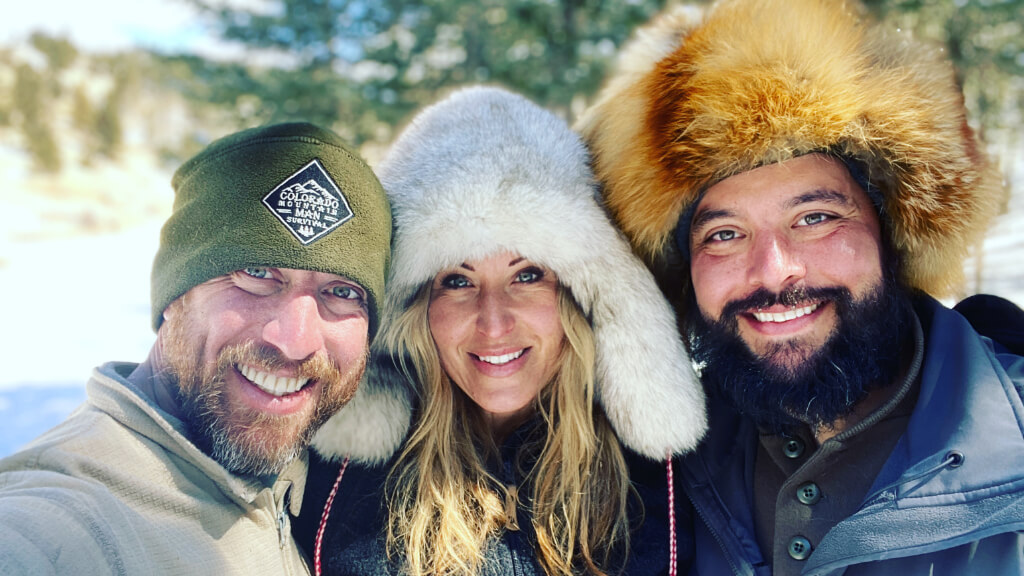
About the Author
Jason Marsteiner is the founder and lead instructor at The Survival University, where he’s turned his obsession with staying alive into a mission to teach real-world survival skills. Forget fancy gear, Jason’s all about the know-how that gets you through the wild or a city crisis. A published author of Wilderness Survival Guide: Practical Skills for the Outdoor Adventurer, he’s distilled years of hard-earned wisdom into lessons anyone can use.
Raised in Colorado’s rugged mountains, Jason’s survival chops were forged in the wild—from Missouri forests to Arizona deserts to Costa Rican jungles. He’s navigated it all with next to nothing, earning creds like Wilderness First Responder (WFR) and SAR tracking along the way. He’s trained thousands to keep cool when 911’s out of reach, proving survival’s not just for grizzled adventurers, it’s for hikers, parents, and city slickers alike.
Jason’s mantra? Everyone should make it home safe. When he’s not running courses, he’s designing knives, mentoring newbies, or chilling in the city like the rest of us, always sharpening the skills that turn panic into power.
